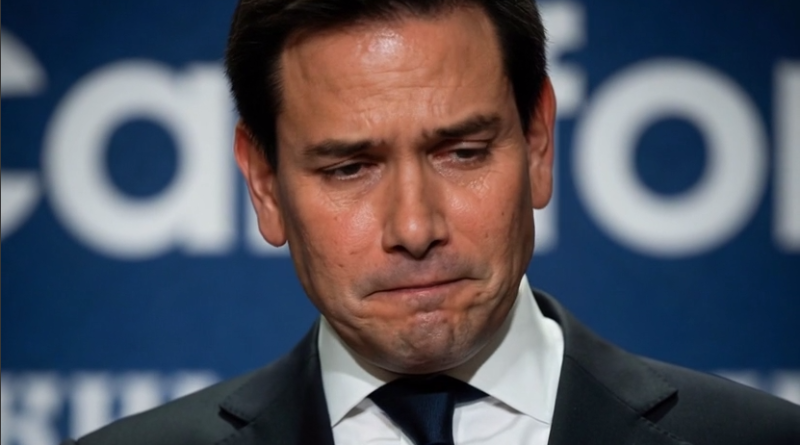
The reported shift involving Marco Rubio is being described not as a routine personnel change, but as a more subtle reallocation of influence within the federal regulatory system. At the center of the discussion is the Office of Information and Regulatory Affairs (OIRA), a relatively small office within the Office of Management and Budget that nonetheless plays a highly consequential role in shaping national policy.
OIRA does not create laws or directly administer federal programs. Instead, it serves as a gatekeeping body that reviews major federal regulations before they are finalized. This position gives it substantial indirect power over the regulatory process, particularly in areas such as environmental protection, labor rules, and public health policy. By evaluating proposed rules, requesting revisions, or extending review timelines, the office can influence whether and how regulations ultimately move forward.
Much of this oversight occurs outside public attention. The review process is often technical and procedural, involving back-and-forth communication between agencies and reviewers. Decisions may be delayed, modified, or returned for further work, sometimes without detailed public explanation. As a result, important policy outcomes can shift significantly without a clear or visible public debate.
Supporters of this centralized review system argue that it promotes consistency across federal agencies and helps prevent conflicting or redundant regulations. They view it as a necessary mechanism for coordination within a large and complex government structure. Critics, however, raise concerns about transparency and accountability, warning that concentrated authority in a relatively opaque process can reduce public visibility into how decisions are made.
Attention is now focused on how Rubio would engage with this role in practice. Analysts suggest that the most meaningful impact may not come from public statements, but from internal procedural choices—such as how quickly reviews are completed, how consistently standards are applied, and how agencies are engaged during the process.
Ultimately, the development highlights a broader feature of Washington governance: significant policy influence is often exercised through procedural control rather than public-facing decision-making, shaping outcomes in ways that are not always immediately visible.