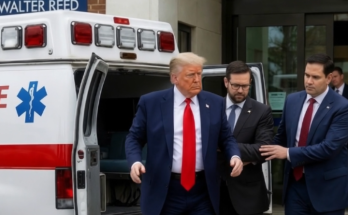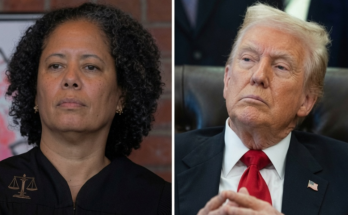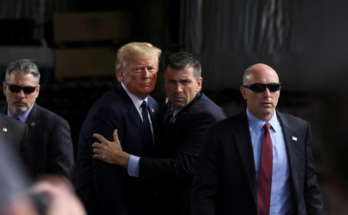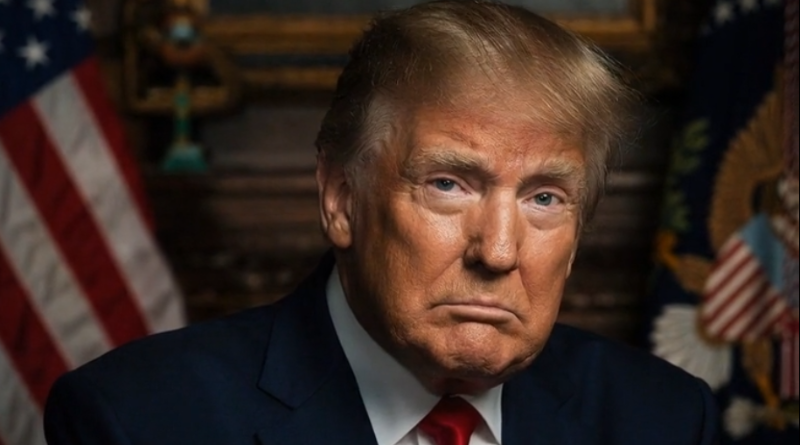
Former U.S. President Donald Trump faced an unprecedented moment in American history when he became the first former president charged with crimes connected to the transfer of presidential power. Federal prosecutors accused him of attempting to overturn the results of the 2020 election through actions they claim interfered with constitutional procedures and the certification process.
According to the indictment, the case centers on allegations that efforts to challenge the election went beyond political disagreement and became an organized attempt to obstruct a lawful democratic process. Prosecutors argue that the actions were designed to delay or disrupt the peaceful transfer of power following the election.
The charges immediately intensified political divisions across the United States. Supporters of Trump described the case as politically motivated, while critics viewed it as an important step toward accountability and the protection of democratic institutions. The proceedings have now moved into the legal system, where evidence and court rulings will determine the outcome rather than political debate alone.
Observers believe the case could have lasting consequences for future presidents, public trust in government, and the broader understanding of executive power and constitutional responsibility in American democracy.