Recent online conversations surrounding the health and public schedule of Donald Trump triggered widespread speculation across social media platforms, highlighting how quickly unverified information can spread in the digital age. The discussion began after minor adjustments to his planned public appearances led some users to question whether the changes indicated a more serious underlying issue.
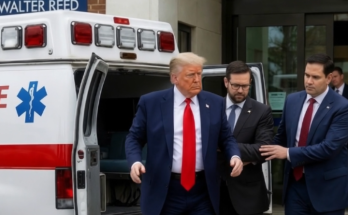
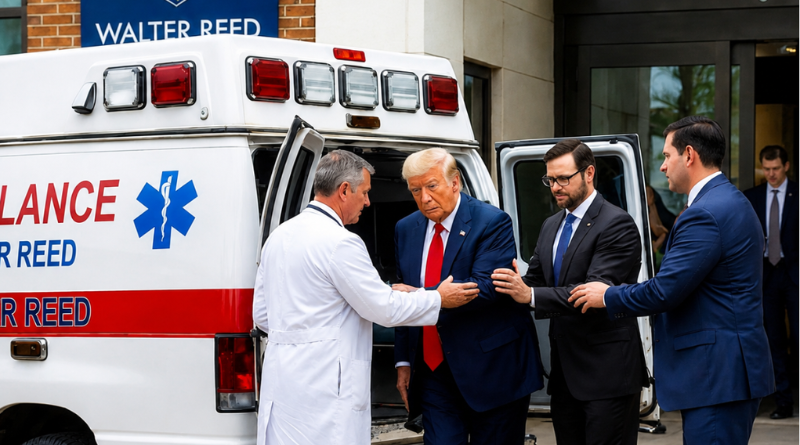
Posts began circulating on platforms such as X (formerly Twitter), Facebook, and various forums claiming that Trump had been admitted to Walter Reed National Military Medical Center. Although these claims spread rapidly and generated significant engagement, no official confirmation supported the reports. Despite the lack of evidence, the narrative gained momentum as users continued sharing and commenting on the allegations.
The origin of the speculation appears to have been a routine schedule change, including the cancellation or postponement of certain public events. Given Trump’s well-documented and highly active public presence, even small deviations from his expected appearances often draw attention. In this case, the absence of immediate clarification created an information gap that allowed assumptions and rumors to develop.
Social media played a central role in amplifying the situation. Algorithms that prioritize trending and highly engaging content can unintentionally elevate posts that provoke strong emotional reactions, regardless of their accuracy. As a result, the hospitalization claim reached a much larger audience than its original source, contributing to confusion and concern among users.
As speculation intensified, official representatives addressed the situation directly, stating that reports of hospitalization were incorrect and confirming that no medical emergency had occurred. The clarification aimed to correct misinformation and reduce the spread of inaccurate claims that had circulated widely online.
Public interest in the health of political figures is not unusual, and Trump has previously had medical updates disclosed publicly, including a diagnosis of chronic venous insufficiency. However, there has been no indication from official sources that his current health status has changed or that it played any role in recent schedule adjustments.
Reactions to the rumors varied. Some individuals expressed concern and sought confirmation from credible sources, while others urged caution and emphasized the importance of waiting for verified information before drawing conclusions. Fact-checking organizations and established media outlets also contributed by examining the claims and discouraging the spread of unsupported reports.
The incident underscores broader challenges in today’s information environment, where news and speculation often spread faster than verification. It also highlights the importance of media literacy, particularly when dealing with sensitive topics such as health-related claims about public figures. Small gaps in communication or routine scheduling changes can quickly escalate into widespread narratives when amplified online.
Ultimately, the situation was driven by speculation rather than verified fact. Once official statements clarified that there was no medical emergency, attention gradually shifted away from the rumors. The episode serves as a reminder of the importance of relying on credible sources, verifying information before sharing, and maintaining a cautious approach to unconfirmed claims in the digital landscape