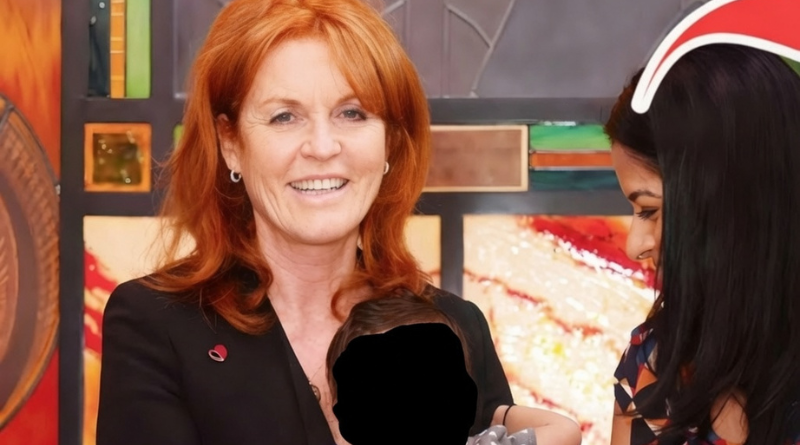
In early 2026, a wave of alleged document releases tied to the Jeffrey Epstein investigation circulated widely online, drawing renewed attention to long-standing questions about his network of contacts. Among the figures repeatedly mentioned in commentary and social media analysis was Sarah Ferguson, the Duchess of York, whose past association with Epstein has been publicly known since the early 2010s.
The newly circulated materials, which have not been independently verified by courts or major investigative outlets, were described by some sources as containing private correspondence and references to financial and personal interactions. These interpretations quickly fueled speculation about the nature and duration of Ferguson’s contact with Epstein, as well as claims about charitable and commercial entanglements.
At the same time, no official judicial findings have confirmed many of the more extreme allegations circulating online, and several of the quoted emails and narrative details remain unverified. The renewed attention has nonetheless intensified public scrutiny of historical associations between Epstein and high-profile figures, particularly in the context of ongoing debates about accountability, reputation, and institutional transparency.
As with previous Epstein-related disclosures, the situation highlights how partial records, leaks, and commentary can rapidly evolve into broader narratives that outpace confirmed evidence, leaving a complex mix of fact, interpretation, and speculation in the public discourse.