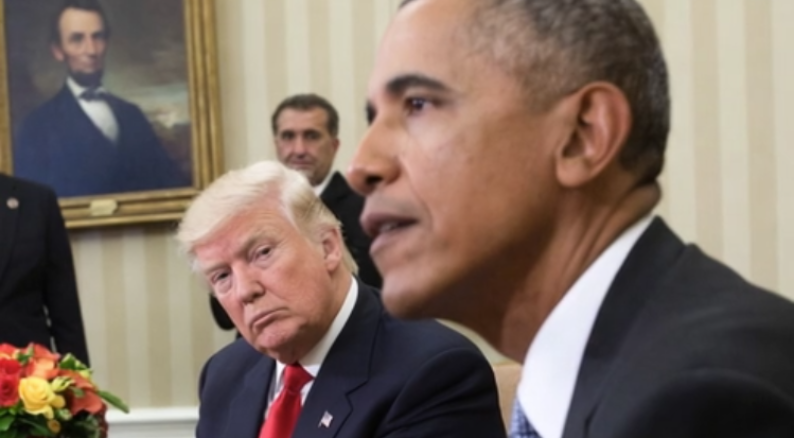
The discussion quickly became quiet in tone but loud in reaction, as remarks by former President Barack Obama sparked an immediate and wide-ranging national debate.
Supporters of the comments praised them as a clear defense of democratic institutions, arguing that they emphasized the importance of protecting elections, constitutional norms, and the peaceful transfer of power. In their view, the remarks were not aimed at individual voters, but at actions and patterns of behavior they believe pose risks to the integrity of the democratic system.
Critics interpreted the comments differently. Many felt the language implied that people who question election outcomes, express distrust of government institutions, or challenge official narratives were being pushed outside the boundaries of acceptable political discourse. This, they argued, risks deepening frustration and widening existing political divides.
The controversy reflects a broader tension in American public life, where competing interpretations of democracy itself have become increasingly central to political conflict. Both sides claim to be defending democratic values, yet they disagree sharply on what those values require in practice.
Supporters emphasize institutional stability and trust in electoral systems as essential foundations of governance. Critics emphasize the importance of including dissenting voices and ensuring that political skepticism is not treated as illegitimate.
Ultimately, the episode highlights the fragility of shared political understanding in an increasingly polarized environment, where even brief remarks can quickly become symbols of deeper national divisions.