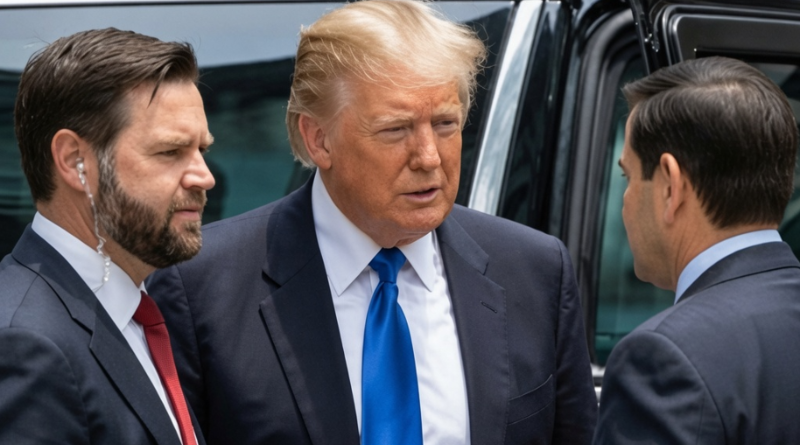
The Trump administration has introduced a significant new financial policy through an executive order titled “Restoring Integrity to America’s Financial System.” Signed by President Donald Trump, the directive instructs federal banking regulators and the Treasury Department to strengthen oversight of customer identification and financial risk assessments, with a particular focus on immigration-related factors.
Under the order, regulators are directed to develop guidance requiring banks and lenders to consider certain indicators when evaluating potential financial risks. These indicators may include the use of an Individual Taxpayer Identification Number (ITIN), foreign identification documents, and other factors that officials believe could signal vulnerabilities related to money laundering, fraud, terrorism financing, or criminal activity. Administration officials argue that these measures are intended to close loopholes that have allegedly been exploited by transnational criminal organizations and illicit financial networks.
The policy is expected to affect many non-citizens who do not possess Social Security numbers, potentially making it more challenging for them to open bank accounts, obtain loans, qualify for mortgages, or access other financial services. Supporters of the order say it will help protect the financial system, strengthen national security, and ensure that financial institutions apply more rigorous standards when assessing risk.
Critics, however, warn that the changes could create additional barriers for immigrants, including individuals who are legally present in the United States and rely on ITINs for tax and banking purposes. Some economists also question whether the policy will have a meaningful effect on lending costs or interest rates, noting that such factors are largely influenced by broader economic conditions, Federal Reserve decisions, and individual credit profiles.
The executive order is part of a wider immigration enforcement agenda pursued by the administration. It also arrives as federal officials continue promoting innovation in cryptocurrency and digital assets, highlighting a contrast between stricter oversight of traditional banking activities and a more supportive approach toward emerging financial technologies. Banks and lenders must now prepare to implement the new requirements while ensuring compliance with fair-lending and anti-discrimination laws.