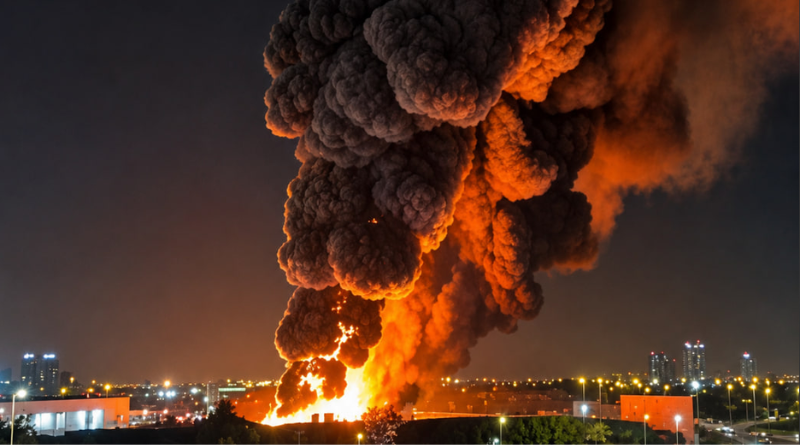
Social media often creates the impression that events are unfolding in real time with complete accuracy, but in fast-moving conflicts, early reports are frequently incomplete or unverified. In recent days, widely shared posts about developments in Tel Aviv and nearby regions have circulated rapidly, often relying on anonymous sources or “just now” claims that have not been independently confirmed.
While these updates attract attention and spread quickly, separating verified information from speculation is essential to avoid misinformation during volatile situations. Responsible reporting depends on corroboration from credible officials and established news outlets rather than viral content alone.
One of the most discussed incidents involves the area of Beit Shemesh, where reports indicate a ballistic missile strike linked to Iranian launches. The event, dated March 1, 2026, resulted in nine confirmed fatalities and multiple injuries. Many civilians were reportedly in shelters during the attack, which may have reduced casualties.
Local authorities, including Deputy Commissioner and Jerusalem District Police Chief Avshalom Peled, described emergency shelter procedures and later assessments that emphasized preparedness and response effectiveness. Follow-up visits on March 2 by Israeli officials reinforced the confirmed details.
The episode highlights the importance of verification and caution when interpreting breaking news online, especially when initial claims spread faster than reliable confirmation can be established.