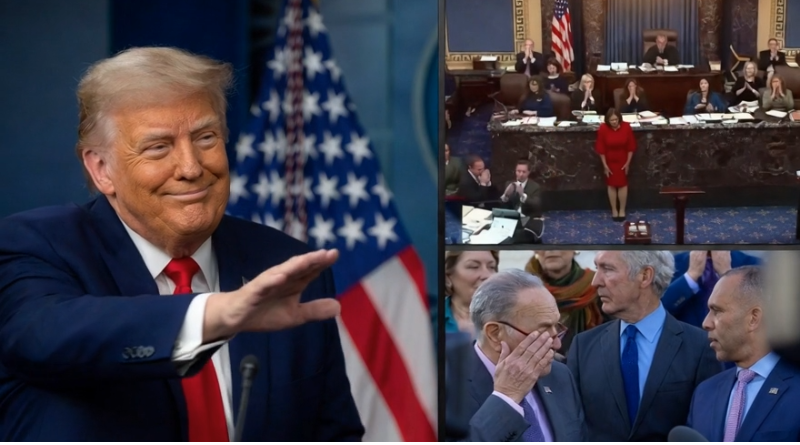
The U.S. Senate has passed bipartisan legislation titled Stop Stealing our Chips Act (S. 1473), aimed at strengthening export controls on advanced semiconductors and related technologies used in artificial intelligence and other sensitive applications. The bill was introduced by Senator Mike Rounds and Senator Mark Warner and now advances to the House of Representatives for consideration.
It proposes amendments to the Export Control Reform Act and establishes a whistleblower reward program within the Commerce Department’s Bureau of Industry and Security (BIS). The program is intended to encourage individuals with credible knowledge of illegal semiconductor smuggling, particularly to countries such as China, to report such activity. Whistleblowers could receive financial rewards ranging from 10 to 30 percent of fines collected from enforcement actions. The legislation also includes protections for confidentiality and safeguards against retaliation, while excluding terrorists and certain federal employees from eligibility.
It comes amid growing geopolitical tensions and increased scrutiny of technology transfer between the United States and China. Lawmakers argue that the illegal diversion of advanced chips poses a significant national security risk due to their importance in artificial intelligence development and military applications. At the same time, diplomatic and trade discussions continue between Washington and Beijing.
It also follows a recent high-level meeting between President Donald Trump and Chinese President Xi Jinping, during which economic cooperation and trade agreements were discussed. One reported outcome included a large commercial aircraft deal involving Boeing, which has been highlighted by company leadership as a positive step for international sales. However, broader strategic disagreements between the two nations remain unresolved.
The bill now moves to the House of Representatives, where it is expected to receive further debate before a potential vote. Supporters say the legislation represents a significant step toward strengthening U.S. supply chain security and limiting adversarial access to critical technologies. If enacted, it would create a structured enforcement and reporting system designed to deter illegal export activity while incentivizing insider reporting.
Overall, the legislation reflects growing bipartisan concern over protecting sensitive semiconductor technology and maintaining U.S. leadership in artificial intelligence and advanced manufacturing sectors. It also underscores the increasing importance of enforcement tools and international cooperation in addressing illicit trade networks that support foreign military and technological development. As the bill advances, it highlights how economic policy and national security are becoming increasingly intertwined in modern technology governance. Lawmakers aim to reduce long-term strategic vulnerabilities through targeted controls.