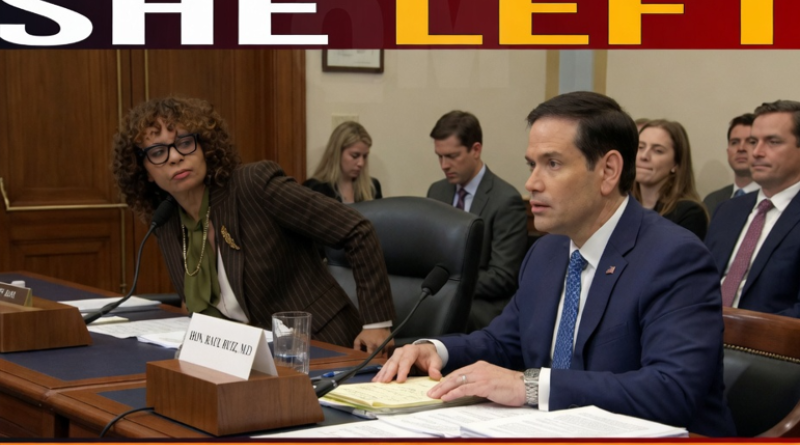
In a dramatic hearing that has captured the attention of political observers, Senator Marco Rubio found himself at the center of a tense exchange regarding the ongoing situation in Venezuela.
The hearing, aimed at addressing critical issues surrounding corruption and foreign influence in the Venezuelan government, quickly escalated when a Democrat accused Rubio and the Trump administration of engaging in corrupt practices.
This accusation was not merely a passing comment; it was a pointed challenge that struck at the heart of the Republican senator’s credibility and the broader foreign policy strategy of the United States.
As the confrontation unfolded, Rubio was labeled as the “new overlord of Venezuela,” a term that underscored the contentious nature of U.S. involvement in the region.
The Democrat’s challenge was clear: “Show the receipts.”

This phrase resonated throughout the hearing, encapsulating the demand for transparency and accountability in how foreign policy decisions are made and executed.
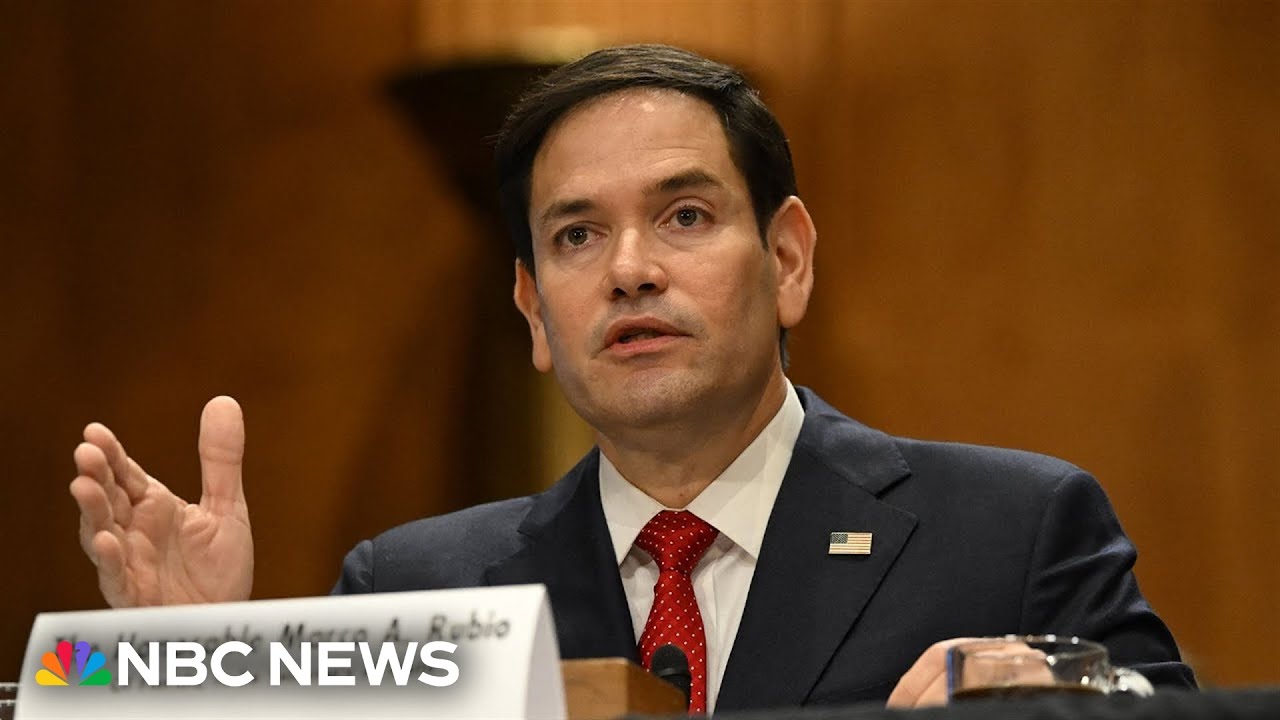
When Rubio finally had the opportunity to respond, he took a methodical approach to dismantle the accusations leveled against him.
He walked the committee through the financial trail, explaining that the proceeds from Venezuelan oil were not funneled into personal accounts or used for illicit purposes.
Instead, he asserted, these funds were placed into a blocked treasury account that was subject to external audits.
This level of scrutiny, he argued, was designed to ensure that the money was utilized for agreed-upon expenditures, rather than benefiting any individual or group.
Rubio’s defense was not just about financial accountability; it was also a broader argument about the integrity of U.S. foreign policy in Venezuela.
He emphasized that the funds were being used to support humanitarian efforts and to stabilize a country that has been ravaged by years of mismanagement and corruption.
Despite Rubio’s detailed explanation, the tension in the room was palpable.
The accusations of corruption and lack of transparency are not new in the context of U.S. dealings with foreign governments, particularly in regions fraught with political instability.
The stakes were high, and the implications of this hearing extended far beyond the immediate confrontation between Rubio and his Democratic colleagues.
The backdrop of this exchange is the ongoing humanitarian crisis in Venezuela, where millions are suffering from food shortages, hyperinflation, and political repression.
In this context, the question of U.S. involvement takes on added significance.
Critics argue that American intervention has often led to unintended consequences, exacerbating the very problems it aims to solve.
Rubio, however, positioned his argument as one of moral obligation, asserting that the U.S. has a responsibility to support the Venezuelan people in their struggle for freedom and democracy.
The hearing also highlighted the complexities of foreign policy in a polarized political environment.
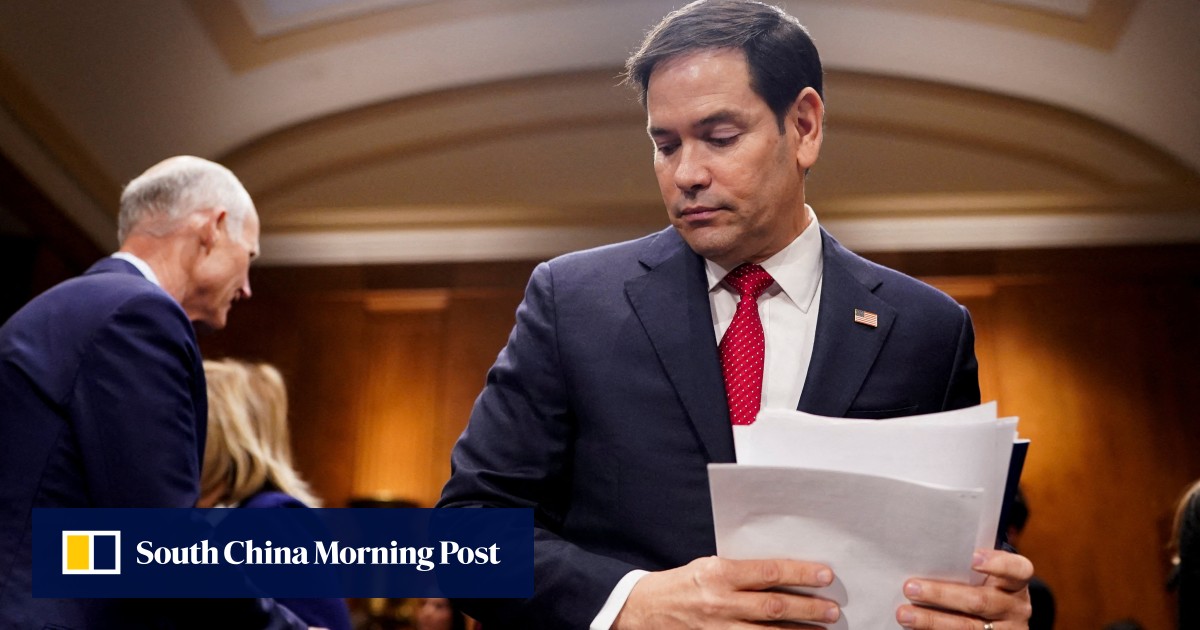
As Rubio defended his position, it became clear that the debate over Venezuela is not just about the facts on the ground; it is also about the narratives that shape public perception and political discourse.
The accusations of corruption and the demand for transparency reflect a broader concern among voters about the integrity of their elected officials and the decisions they make on behalf of the American people.
As the hearing concluded, the question remained: Was Rubio’s explanation sufficient to quell the accusations against him?
The answer may depend on who you ask.
For some, the senator’s detailed account of financial transactions and audits may provide reassurance that U.S. involvement in Venezuela is being conducted with integrity.

For others, the mere fact that such accusations were made raises serious concerns about the transparency and accountability of U.S. foreign policy.
In the aftermath of the hearing, it is clear that the issues surrounding Venezuela will continue to be a contentious topic in American politics.
As the situation in the country evolves, so too will the debates over how the U.S. should respond.
Rubio’s confrontation in the hearing serves as a microcosm of the larger struggle over U.S. foreign policy, where accusations of corruption and calls for transparency are likely to persist.
The implications of this hearing extend beyond the walls of Congress; they resonate with voters who are increasingly demanding accountability from their leaders.
As the political landscape continues to shift, the conversation surrounding Venezuela will undoubtedly remain at the forefront of American political discourse.
In the coming weeks and months, it will be essential to keep a close eye on how this issue develops and how it impacts the broader narrative of U.S. involvement in foreign affairs.
The stakes are high, and the consequences of these decisions will be felt not just in Venezuela, but across the globe.
In the end, the question of whether Rubio effectively addressed the accusations against him may be less important than the ongoing conversation about transparency, accountability, and the moral obligations of the United States in a complex world.
As political tensions rise, one thing is certain: the debate over Venezuela is far from over.
It will continue to challenge lawmakers, engage voters, and shape the future of U.S. foreign policy for years to come.