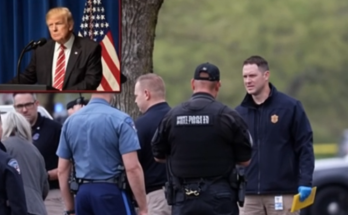
Former U.S. President Donald Trump became the first former president in American history to face federal criminal charges tied to efforts surrounding the transfer of power following the 2020 election.
Federal prosecutors allege that he and his associates attempted to challenge and potentially disrupt the certification of the election results, arguing that these actions went beyond lawful political processes and into obstruction of constitutional procedures. According to the indictment, the case focuses on claims that these efforts were intended to delay or interfere with the peaceful transfer of power mandated under the U.S. Constitution. The charges sparked immediate political reactions, with supporters of Trump describing the prosecution as politically motivated, while critics argue it reflects necessary accountability under the rule of law. As the case proceeds through the courts, judges will evaluate evidence and legal arguments to determine the outcome, rather than political interpretation or public debate. Observers note that the case involving Donald Trump may have long-term implications for presidential accountability, constitutional interpretation, and public trust in democratic institutions.
Legal experts emphasize that the proceedings remain subject to standard criminal procedure, including pretrial motions, evidentiary review, and potential appeals, all of which could significantly extend the timeline before any final resolution is reached. The case has also prompted broader discussion among scholars and policymakers about the balance between political accountability and judicial independence in cases involving high-level officials, particularly former presidents. It is widely expected that court rulings in this matter will be closely analyzed for their precedent-setting impact on future interpretations of executive power and the legal limits of presidential conduct after leaving office across the American constitutional system and its institutions of governance and democracy over time.
The outcome may ultimately influence how future administrations approach contested elections and the legal boundaries surrounding post-election challenges within the United States political system, as courts continue to interpret constitutional responsibilities in ongoing litigation.