The death of Lou Dobbs immediately reignited the long-running debate over his place in American journalism and political media. To his supporters, Dobbs was a pioneering broadcaster who gave voice to concerns that many Americans felt were ignored by political and media elites. To his critics, he became a symbol of a more divisive style of commentary that blurred the line between reporting and advocacy. The contrasting reactions following his passing reflected the deep divisions that surrounded his career for decades.
Dobbs died on July 18, 2024, at the age of 78 in West Palm Beach, Florida. His career spanned more than four decades and left a lasting mark on television news. Born in Texas in 1945, he began in radio before joining CNN as one of the network’s original anchors when it launched in 1980. Through programs such as Moneyline and later Lou Dobbs Tonight, he became one of the most recognizable figures in business journalism, known for combining economic reporting with strong personal viewpoints.
As the years passed, Dobbs increasingly focused on issues such as immigration, globalization, trade policy, and national identity. His outspoken positions attracted a loyal audience but also generated significant controversy. Critics accused him of promoting misinformation and contributing to political polarization, while supporters argued that he highlighted concerns that mainstream media organizations often overlooked.
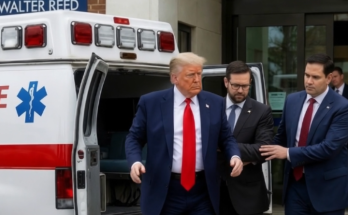
His move to Fox Business further cemented his role as a prominent conservative commentator. There, his support for President Donald Trump and his criticism of establishment institutions drew both praise and condemnation. Following controversies related to coverage of the 2020 election, he departed the network in 2021.
Regardless of political perspective, Dobbs played a significant role in shaping modern cable news. He helped popularize a style of broadcasting that emphasized direct engagement, strong opinions, and audience loyalty. His legacy remains complex and contested, ensuring that discussions about his influence on journalism, politics, and public discourse will continue long after his passing.