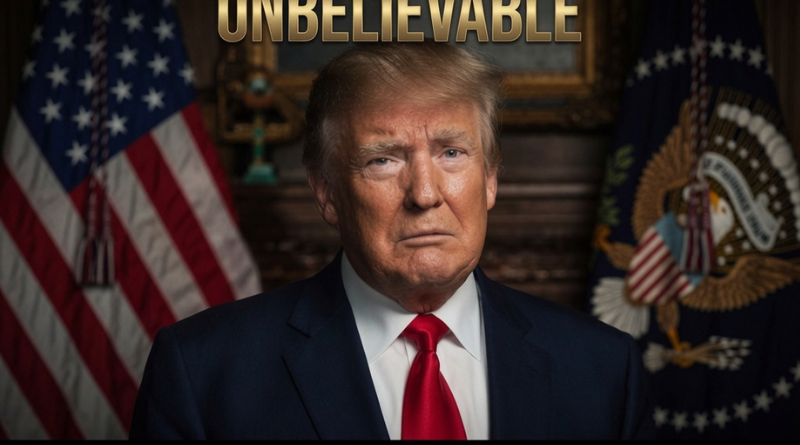
Former U.S. President Donald Trump became the first former president in American history to face criminal charges connected to efforts surrounding the transfer of presidential power. The federal case centered on allegations that Trump sought to challenge the outcome of the 2020 presidential election in ways prosecutors said interfered with the constitutional process for confirming election results.
According to the indictment, prosecutors argued that the actions involved more than routine political disputes or legal challenges. They alleged that Trump and his allies pursued a coordinated effort to delay, disrupt, or prevent the certification of the election results and the peaceful transition of power. The case focused on claims that these efforts undermined established democratic procedures.
The charges immediately sparked intense debate throughout the United States. Trump’s supporters characterized the prosecution as politically motivated and argued that it represented an unfair attempt to target a major political figure. Opponents, however, said the case was an important examination of whether any president can be held accountable for actions that allegedly threaten constitutional institutions.
As the proceedings moved through the legal system, attention shifted toward courtroom arguments, evidence, and judicial decisions rather than political statements. The outcome of the case depended on how courts evaluated the allegations and the legal questions surrounding presidential conduct.
The historic nature of the case placed renewed focus on the relationship between presidential power and constitutional limits. Legal experts and political observers noted that the proceedings could have significant implications for future administrations, public confidence in elections, and the standards expected of leaders who hold the nation’s highest office.
Regardless of the final outcome, the case represented a defining moment in U.S. political and legal history, raising lasting questions about accountability, democracy, and the peaceful transfer of power.