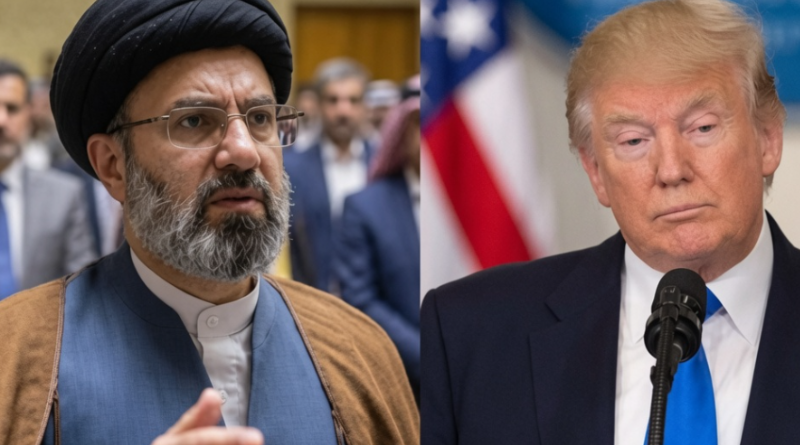
The Trump administration says it is entering the final and potentially decisive stage of negotiations with Iran, seeking to resolve years of tensions through a combination of diplomacy and military deterrence. U.S. officials believe the dual-track strategy offers the best chance of reaching a lasting agreement on Iran’s nuclear program and regional security.
President Donald Trump, Vice President JD Vance, and Secretary of State Marco Rubio are overseeing negotiations in Qatar, where American diplomats are working toward a comprehensive deal. The discussions focus on limiting Iran’s nuclear activities, improving regional stability, and ensuring freedom of navigation through the Strait of Hormuz, a critical route for global energy shipments.
During a recent visit to India, Rubio emphasized that the United States is committed to keeping the Strait of Hormuz open to international shipping. He described any disruption to maritime traffic as unacceptable and said negotiations have made progress, while warning that Washington is prepared to end the talks if its key security objectives are not achieved.
At the same time, U.S. military operations have continued in the region. According to U.S. Central Command, American forces recently conducted self-defense strikes against missile launch sites and vessels near Bandar Abbas that officials said posed threats to U.S. aircraft and naval forces. The actions occurred despite a ceasefire, highlighting ongoing tensions during the diplomatic process.
Under the proposed agreement, Iran would eliminate its stockpile of highly enriched uranium and suspend uranium enrichment for 20 to 30 years under strict international monitoring. In exchange, the United States would ease selected economic sanctions and lift certain maritime restrictions.
Iranian officials acknowledge that progress has been made but say significant disagreements remain. Foreign Ministry spokesman Esmaeil Baqaei stated that both sides have reached understandings on several issues while continuing to differ on others. U.S. officials remain cautiously optimistic that continued negotiations, backed by military readiness, can produce a durable agreement that strengthens regional stability and prevents future nuclear escalation.