South Carolina Republicans turned out in large numbers Tuesday for a closely watched U.S. Senate primary that attracted national attention as the party works to maintain its Senate majority heading into the 2026 midterm elections.
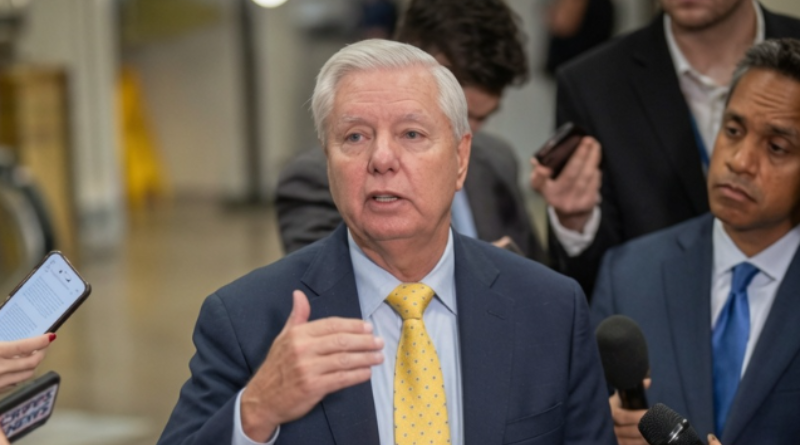
Incumbent Sen. Lindsey Graham entered the race as the clear favorite, backed by President Donald Trump and much of the state’s Republican establishment. Graham, 70, highlighted his conservative record during the campaign, focusing on issues such as opposing changes to the Supreme Court, defending the Electoral College, and fighting what he described as the agenda of the political left.
With South Carolina remaining a strongly Republican state, Graham was expected to face little difficulty in the general election regardless of the Democratic nominee. Supporters argued that his experience, seniority, and influence in Washington make him an important advocate for the state.
Shortly after polls closed, Graham was projected as the winner of the Republican primary over businessman Mark Lynch.
Lynch’s campaign had faced increasing scrutiny in the final weeks of the contest, with critics raising questions about his finances, past legal issues, and campaign operations. A report by the Washington Reporter alleged that Lynch’s Senate financial disclosures raised questions about unpaid federal taxes from the 2025 tax year and did not fully explain the source of millions of dollars he contributed to his campaign.
The report also stated that an ethics complaint had been submitted requesting a review of Lynch’s financial disclosures and campaign funding sources.
Lynch has previously discussed a 1984 felony cocaine trafficking conviction, describing it as part of a personal transformation involving addiction recovery and rehabilitation. He has said he later received a presidential pardon, but reports have questioned whether official records exist confirming that claim.
Additional controversy surrounded a 1985 South Carolina case involving allegations that Lynch left the scene of an accident involving injuries. Lynch denied that it was a hit-and-run, and reports said the matter was resolved through a guilty plea to other charges.
Critics also pointed to Lynch’s past comments regarding cocaine legalization and questioned decisions involving his campaign staff. Graham and his allies used those controversies to challenge Lynch’s credibility and judgment.
Graham released campaign messaging attacking Lynch’s knowledge of basic constitutional issues, while Trump strongly supported the incumbent senator and criticized Lynch’s candidacy.
Lynch, however, gained support from former Rep. Marjorie Taylor Greene, who argued that Graham no longer represented the direction of the Republican Party.
Graham’s campaign responded by emphasizing his backing from Trump, Sen. Tim Scott, and many Republican voters across South Carolina.
Although Graham held a strong advantage in polling, state election rules required him to win more than 50 percent of the vote to avoid a runoff election.