President Donald Trump’s recent activities have centered on several major policy areas, including artificial intelligence, foreign affairs, trade, immigration, national security, and regulatory reform. His administration has continued to emphasize economic growth, technological leadership, and strengthening America’s position on the global stage.
Artificial intelligence has become one of the administration’s highest-profile priorities. In May 2026, Trump delayed a planned executive order on AI after concerns were raised that the proposed regulations could reduce U.S. competitiveness against China. Technology industry leaders reportedly argued that excessive government oversight might discourage innovation and place American companies at a disadvantage. Trump indicated that while AI safety remains important, maintaining U.S. leadership in emerging technologies is a key objective.
Foreign policy has also remained a major focus. The administration has continued to apply economic sanctions and diplomatic pressure on Iran while maintaining a strong military posture aimed at preventing the country from developing nuclear weapons. Trump has repeatedly stated that he believes a long-term agreement with Iran is possible, but he has also emphasized that the United States is prepared to respond firmly if necessary.
Relations with China continue to shape the administration’s international agenda. Following a visit to China in May 2026, Trump highlighted progress in trade negotiations and economic cooperation. Discussions also addressed broader geopolitical issues, including regional security and concerns surrounding Taiwan, reflecting the complex relationship between the world’s two largest economies.
Domestically, Trump has advanced policies focused on immigration enforcement. His administration recently directed federal regulators to review banking services connected to undocumented migrants and examine customer identification requirements within the financial system. Officials said these measures are intended to strengthen immigration enforcement and improve oversight.
The administration has also expanded sanctions against officials and entities associated with the Cuban government, describing the action as part of its broader strategy to counter governments viewed as hostile to U.S. interests. In addition, Trump announced the rollback of certain refrigerant-related environmental regulations introduced by the previous administration. Supporters argue the changes will reduce regulatory costs and encourage business investment, while critics have expressed concerns about potential environmental effects.
Trump’s leadership style continues to attract both strong support and sharp criticism. Supporters describe him as decisive, results-oriented, and willing to challenge established institutions while managing government with a business-focused approach. Critics argue that his leadership can be confrontational, highly personal, and unpredictable.
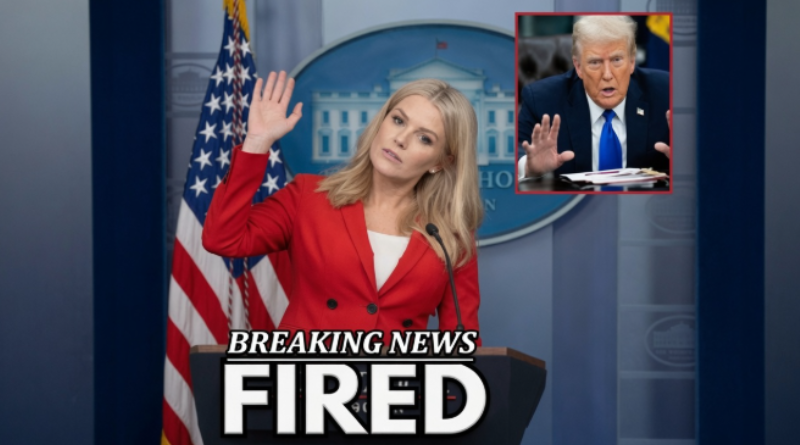
Throughout both his business career and presidency, Trump has frequently replaced senior officials when he believed they no longer aligned with his priorities. Policy disagreements, management philosophy, public criticism, and shifting administration goals have all contributed to personnel changes. Regardless of differing political views, Trump remains one of the most influential and closely watched figures in American politics, with his decisions continuing to shape public debate, government policy, business, and international relations.