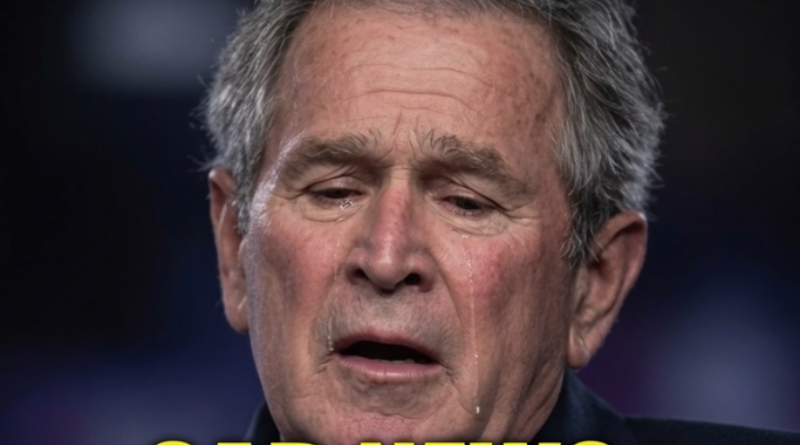
After years at the center of American power, George W. Bush quietly stepped away from the spotlight. There was no dramatic farewell, no lengthy public reckoning, and no campaign to redefine his presidency overnight. Instead, he returned to Texas, embracing a far different life from the one he led in the White House. Away from Washington, Bush exchanged presidential briefings and political battles for long walks, painting sessions, and a renewed focus on causes that mattered deeply to him. His post-presidential years have centered on supporting military veterans, promoting global health initiatives, and encouraging civic leadership rather than engaging in daily political debates.
Bush’s transformation has stood out not because it erased the controversies of his administration, but because it reflected a deliberate decision to live outside the constant cycle of partisan conflict. Through his artwork—particularly portraits of wounded veterans—he has sought to honor those who served during the conflicts that defined much of his presidency. He has also remained involved with charitable efforts, including work to combat diseases in developing nations and programs that assist veterans as they transition back to civilian life.
Unlike many modern political figures who maintain a near-constant public presence, Bush has generally resisted returning to the center of political discourse. He occasionally speaks on issues involving democracy, public service, and national unity, but he has largely avoided criticizing or endorsing his successors in highly visible ways. That restraint has become a defining feature of his post-presidential identity.
The debates surrounding Bush’s time in office—including the Iraq War, the response to Hurricane Katrina, and the financial crisis—continue to shape historical assessments of his presidency. Those questions remain the subject of ongoing analysis by historians, policymakers, and the public. Yet his life after leaving office has added another chapter to his legacy, one characterized by reflection rather than confrontation. Whether through painting, philanthropy, or quiet public service, Bush has demonstrated a different model for life after the presidency—one focused less on defending the past and more on contributing where he believes he can still make a meaningful difference.