Trump Administration Moves Toward Final Phase of Iran Negotiations as Diplomacy and Military Pressure Continue
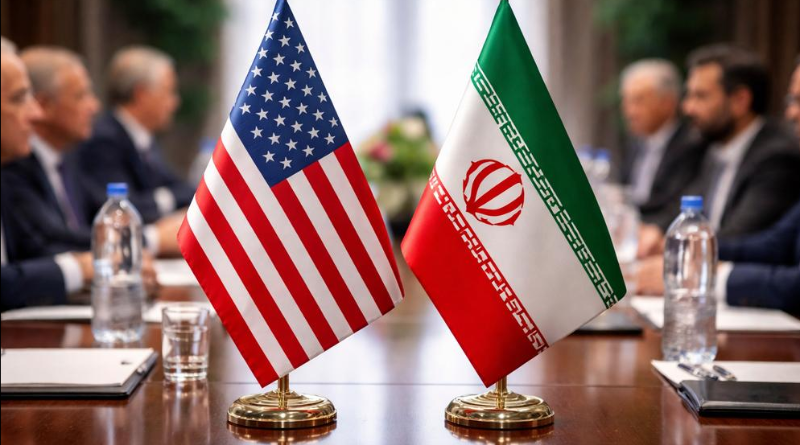
The Trump administration says it has entered a critical stage of negotiations with Iran, with officials describing the talks as a potentially decisive effort to end years of tension over Tehran’s nuclear program, regional activities, and control of key maritime routes.
The negotiations, led by President Donald Trump, Vice President JD Vance, and Secretary of State Marco Rubio, are taking place in Qatar as U.S. and Iranian representatives work toward a broad agreement. The proposed framework reportedly addresses nuclear restrictions, regional security concerns, and the restoration of unrestricted shipping through the Strait of Hormuz, one of the world’s most important energy corridors.
During a recent trip to India, Secretary Rubio reiterated that the United States views any interference with international navigation as unacceptable. He said progress has been made in developing a possible agreement but warned that Washington remains prepared to walk away if the deal fails to meet its security requirements.
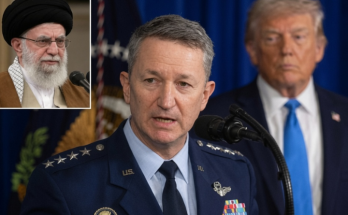
While diplomatic efforts continue, U.S. military forces remain active in the region. According to U.S. Central Command spokesman Captain Tim Hawkins, American forces recently conducted self-defense operations in southern Iran targeting missile-related sites and vessels suspected of preparing to place naval mines near the strategic port of Bandar Abbas.
U.S. officials said the strikes were carried out after Iranian missile systems were assessed as posing threats to American aircraft and naval assets operating nearby. The incidents highlight the fragile security situation surrounding the negotiations, even after a weeks-long ceasefire.
A key part of the proposed agreement involves strict limits on Iran’s nuclear activities. Under the reported framework, Tehran would be required to remove its highly enriched uranium stockpile and halt uranium enrichment for an extended period, potentially lasting two to three decades, with international monitoring in place. In return, Washington would consider easing certain sanctions and lifting restrictions affecting maritime access.
Administration officials have argued that any agreement must go beyond the 2015 nuclear deal, seeking stronger enforcement measures and longer-term guarantees to prevent Iran from expanding its nuclear capabilities.
Iranian officials have acknowledged that progress has been made but remain cautious. Foreign Ministry spokesman Esmaeil Baqaei said that while “understandings” have been reached on several issues, major disagreements remain unresolved. He also accused the United States of changing its position during negotiations.
With both sides facing pressure to reach a breakthrough, U.S. officials say the combination of diplomacy and military deterrence is creating the conditions for a possible agreement. However, significant challenges remain before a final deal can be achieved.