Rubio Reports Limited Diplomatic Progress as Iran Tensions Continue
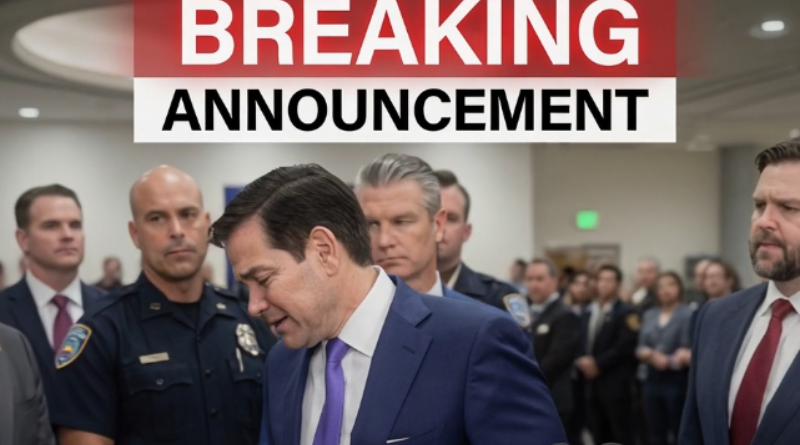
Secretary of State Marco Rubio said Friday that diplomatic efforts to reduce tensions in the escalating conflict involving the United States, Israel, and Iran have shown modest signs of progress, while cautioning that the situation remains highly uncertain.
Speaking about ongoing back-channel negotiations, Rubio said recent discussions have produced some positive movement but emphasized that it is too early to view the developments as a breakthrough. “I don’t want to exaggerate it, but there’s been a little bit of movement, and that’s good,” Rubio said. He added that while any progress is encouraging, the United States remains cautious. “I’m not popping champagne yet,” he remarked, underscoring that meaningful de-escalation is still far from guaranteed.
Rubio explained that Washington is closely monitoring the negotiations and does not want to create unrealistic expectations. He noted that diplomatic openings can disappear quickly and stressed that all parties must act carefully and decisively if they hope to prevent the conflict from escalating further.
Pakistan has reportedly emerged as an important intermediary in the talks. Security sources indicate that Pakistan’s Army Chief, Field Marshal Syed Asim Munir, is expected to travel to Tehran in the coming days for discussions with Iranian officials. Islamabad has maintained communication with both Washington and Tehran, seeking to preserve diplomatic channels at a time when direct contact between the two sides remains limited.
Among the key issues being discussed is Iran’s reported proposal for a “tolling system” in the Strait of Hormuz, which could require ships transiting the strategic waterway to pay fees. Rubio firmly rejected the proposal, calling it unacceptable and warning that such a move could threaten regional stability and undermine ongoing diplomatic efforts.
The Strait of Hormuz remains one of the world’s most vital shipping corridors, carrying roughly 20 percent of global oil exports. Any disruption to maritime traffic through the passage could significantly impact global energy supplies, international trade, and economic stability, making the outcome of the current negotiations closely watched around the world.