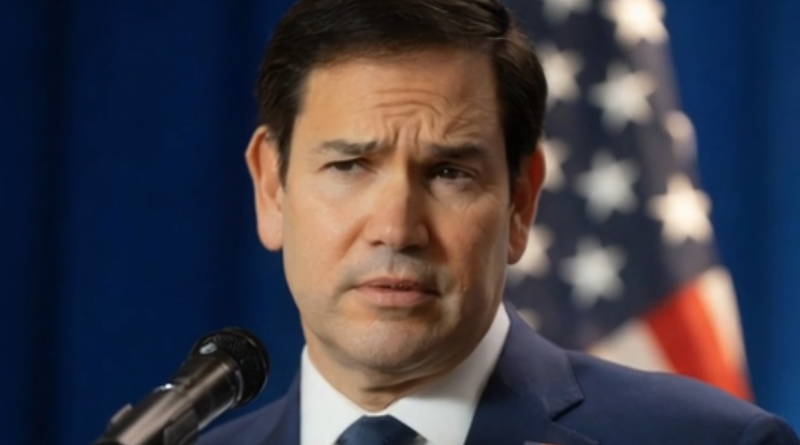
A federal judge has declined to dismiss a lawsuit brought by three foreign nationals challenging prolonged delays in their EB-1A visa applications, allowing the case to proceed against U.S. Secretary of State Marco Rubio and other officials.
The plaintiffs—an accomplished metallurgist from Kazakhstan, a Russian project manager, and a Russian makeup artist—argue that the U.S. government has unlawfully delayed adjudicating their petitions, which have remained in administrative processing for more than 16 months. The EB-1A category is reserved for individuals deemed to possess “extraordinary ability” in their respective fields.
Each application was placed under Section 221(g) of the Immigration and Nationality Act, a provision that allows consular officers to temporarily refuse visas while requesting additional information. However, the plaintiffs contend that the prolonged and indefinite nature of the delay has created severe personal and professional consequences, including family separation, halted careers, and missed major life events. One plaintiff reported being unable to support her U.S. citizen daughter during a medical crisis and missing her college graduation.
The government sought dismissal, arguing that the case was barred under the doctrine of consular nonreviewability, which generally prevents courts from reviewing visa decisions. Officials also claimed sovereign immunity. Magistrate Judge Zia M. Faruqui rejected both arguments, finding that a § 221(g) action does not constitute a final visa decision and therefore does not fall under the nonreviewability doctrine.
The court further held that the Administrative Procedure Act may waive sovereign immunity in cases seeking injunctive relief. It also emphasized that consular regulations require officials to ultimately issue or deny a visa, suggesting the State Department has a nondiscretionary duty to reach a final decision. While the judge did not determine whether the delays were unreasonable, the ruling allows the lawsuit to move forward and potentially sets the stage for a court order requiring final adjudication.
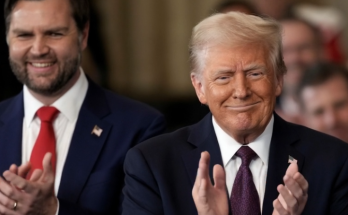
Separately, diplomatic developments between the United States and Brazil drew attention after a reported phone call between President Donald Trump and Brazilian President Luiz Inácio Lula da Silva. Both sides described the conversation as positive and cordial, with discussions reportedly touching on tariffs, trade restrictions, and future in-person meetings.
Lula urged the removal of U.S. tariffs on Brazilian exports, which have reached as high as 40% on certain goods, while Trump reiterated concerns tied to Brazil’s political and judicial developments. Both governments indicated openness to continued dialogue and a possible meeting at an upcoming international summit.