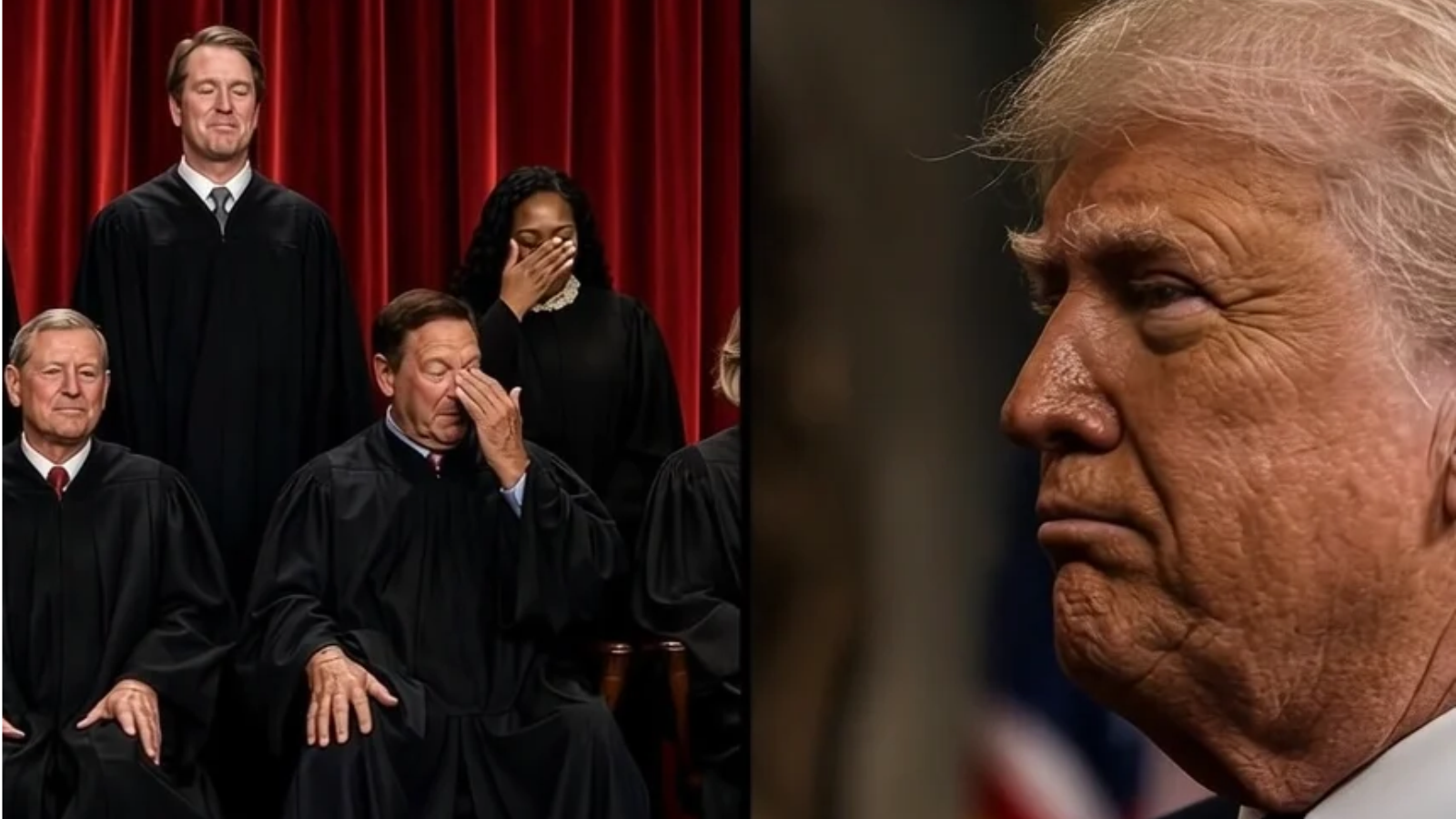
Supreme Court Limits Corporate Liability for Overseas Human Rights Abuses in Cisco Case
The U.S. Supreme Court has reportedly issued a major ruling concerning the ability of foreign plaintiffs to sue American corporations over alleged human rights abuses committed abroad. The case, Cisco Systems, Inc. v. Doe (No. 24-856), centers on whether U.S. companies can face liability for allegedly assisting foreign governments in carrying out persecution, torture, or other human rights violations.
The litigation arose from allegations brought by practitioners of Falun Gong, a religious movement banned by the Chinese government. The plaintiffs claimed that Chinese authorities used surveillance and networking technology associated with Cisco Systems’ “Golden Shield” project to facilitate the persecution, detention, and torture of Falun Gong practitioners. Cisco and its executives faced allegations that they knowingly provided assistance that enabled these abuses.
The company’s involvement in the project became the focus of a broader legal debate over the responsibility of American businesses operating in countries where governments have been accused of violating fundamental human rights.
At the center of the dispute were two federal laws: the Alien Tort Statute (ATS), enacted in 1789, and the Torture Victim Protection Act (TVPA) of 1991. Both have played roles in litigation involving alleged human rights violations, but their scope and application to corporate defendants have been subjects of extensive legal debate.
According to the account of the ruling, the Supreme Court’s conservative majority concluded that federal courts cannot independently create new private causes of action under the Alien Tort Statute based on alleged violations of international legal norms. The majority also determined that the Torture Victim Protection Act does not authorize claims based on aiding-and-abetting liability.
Supporters of this interpretation argue that Congress, rather than federal judges, should determine when private lawsuits are permitted. They contend that allowing courts to expand liability under international law could interfere with U.S. foreign policy, complicate diplomatic relations, and expose American companies to unpredictable legal risks arising from their overseas commercial activities.
The federal government’s reported position in the dispute similarly emphasized concerns about extraterritorial litigation and its potential consequences for American business interests abroad.
Critics of the restrictive approach, however, argue that companies should not automatically escape accountability when they knowingly provide substantial assistance to governments accused of committing serious human rights abuses. They maintain that access to U.S. courts can be an important avenue for victims seeking justice when effective remedies are unavailable in the countries where the alleged abuses occurred.
The justices who disagreed with the majority reportedly argued that the statutory language could support liability for individuals who intentionally assist torture or other prohibited conduct. Their position reflects a broader debate over whether existing human rights legislation should provide remedies against those who facilitate abuses, even when they do not directly carry them out.
For multinational corporations, the case raises important questions about legal exposure, international operations, and the responsibilities associated with supplying technology to foreign governments. For human rights advocates, it highlights the continuing challenge of holding businesses accountable for alleged complicity in state-sponsored persecution.
Verification note: The specific Supreme Court decision, its reported 6–3 vote, the opinions attributed to individual justices, and the case details should be checked against the official Supreme Court opinion and docket before publication. This article summarizes the supplied account and should not be treated as independently verified reporting.