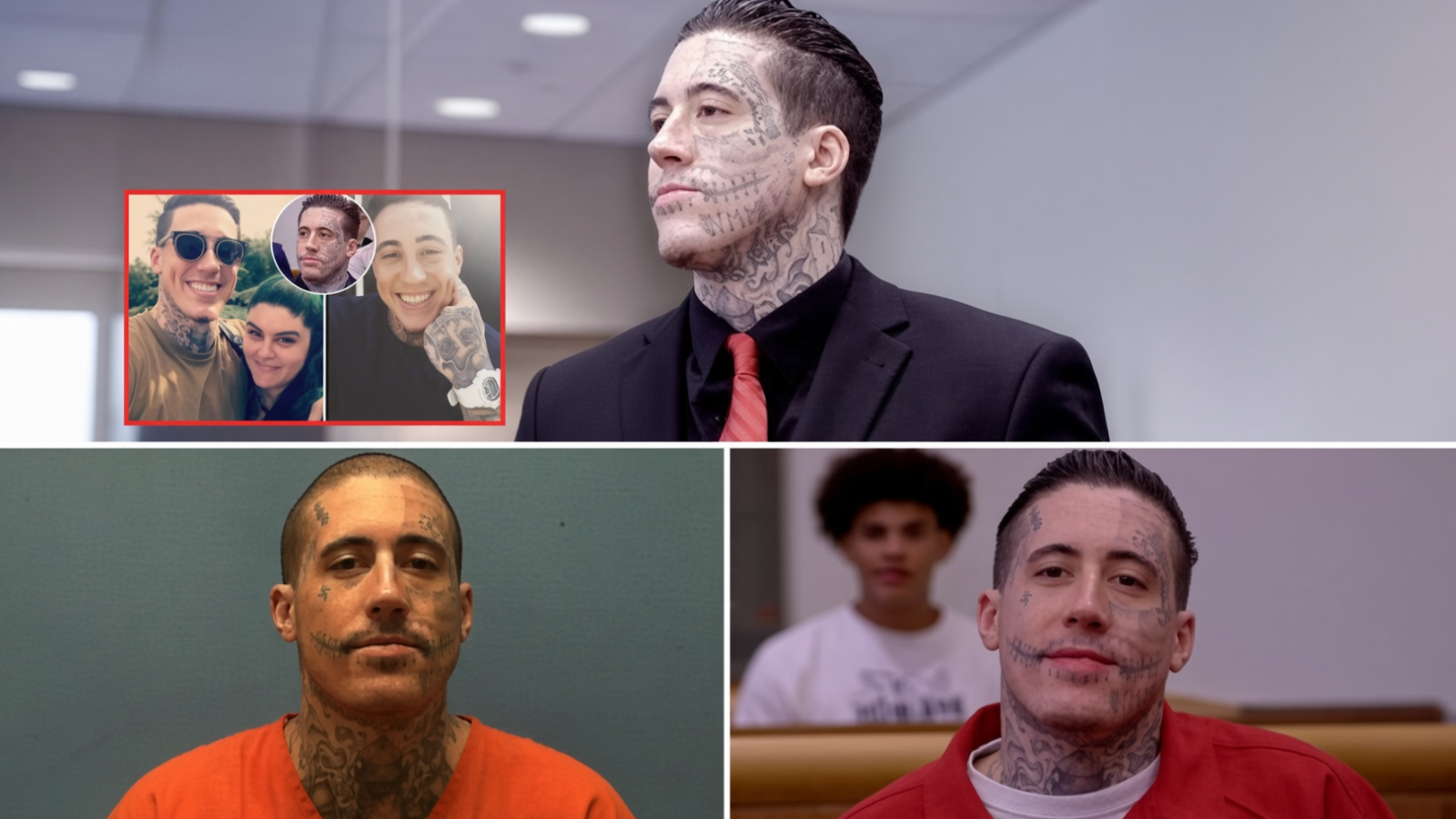
The Florida double-murder case continues to draw public attention as Wade Wilson remains under death sentences for the 2019 killings of two women in Cape Coral. His convictions, the victims’ stories, and the legal process surrounding capital punishment remain central to the case.
Jury recommends death penalty for convicted Cape Coral killer Wade Wilson
Judge sentences Wade Wilson to death following the murders of 2 Cape Coral women in 2019
Jury seated for 2019 Cape Coral double murder trial
Wade Wilson, the Florida man convicted of murdering Kristine Melton and Diane Ruiz in October 2019, remains one of the state’s most widely discussed death row inmates following the imposition of two death sentences in 2024.
The case, which unfolded in Cape Coral, Florida, attracted widespread attention because of the brutality of the crimes, the circumstances surrounding the victims’ deaths, and Wilson’s behavior throughout the criminal proceedings.
For the families of Melton and Ruiz, however, the case represents something far more personal than a widely followed courtroom story. It is the permanent loss of two women whose lives were violently taken.
Wilson, whose appearance and facial tattoos have attracted considerable online attention, was convicted of first-degree murder in connection with both deaths.
A Florida jury subsequently recommended the death penalty, and the trial judge formally imposed death sentences in August 2024.
The decision marked a significant milestone in a case that had already spent years moving through the criminal justice system.
But receiving a death sentence does not mean an execution occurs immediately.
Florida’s capital punishment process includes appellate review and potential post-conviction proceedings, meaning Wilson’s legal case can continue long after the original sentencing.
Two Women Killed in a Single Day
The crimes occurred on October 7, 2019, in Cape Coral, a city in southwest Florida.
According to prosecutors, Wilson first killed Kristine Melton, a 35-year-old woman whom he had met at a bar the previous evening.
Investigators determined that Wilson accompanied Melton to her home, where he later strangled her while she was sleeping.
After killing Melton, Wilson stole her vehicle and drove away.
The violence did not end there.
Later that day, Wilson encountered Diane Ruiz, a 43-year-old woman who was walking along a Cape Coral street.
Prosecutors said Wilson approached Ruiz in the stolen vehicle and persuaded her to enter by asking for directions.
Once inside, Ruiz was assaulted and strangled. Wilson subsequently pushed her from the vehicle and repeatedly ran over her.
The horrifying sequence of events became central to the prosecution’s case and ultimately contributed to the decision to seek capital punishment.
State Attorneys Office
A Jury’s Decision and Two Death Sentences
On June 12, 2024, a Lee County jury convicted Wilson of two counts of first-degree murder.
He was also convicted of additional offenses, including grand theft of a motor vehicle, battery, burglary of a dwelling, and theft.
The trial then moved into its penalty phase, during which jurors considered whether Wilson should receive life imprisonment or the death penalty.
On June 25, 2024, the jury recommended death for both murders.
The recommendation for Melton’s murder was approved by a vote of 9–3, while the recommendation for Ruiz’s murder received a 10–2 vote.
On August 27, 2024, Circuit Judge Nicholas Thompson imposed two death sentences, following the jury’s recommendations.
The sentencing brought a measure of legal resolution to the trial, but it did not end the judicial process.
Why Wade Wilson Remains on Death Row
MUGSHOT MILESTONE: Wade Wilson’s arrival on death row is official
Wilson remains subject to Florida’s capital punishment procedures, which allow for judicial review of death sentences.
A significant issue in his appeal concerns Florida’s 2023 death penalty law.
Under that law, a jury may recommend a death sentence when at least eight of twelve jurors support it.
Previously, Florida required a unanimous jury recommendation.
Because Wilson’s murders occurred in 2019, his attorneys have questioned whether the newer sentencing law could constitutionally be applied to his case.
On February 5, 2026, the Florida Supreme Court heard arguments addressing the legality of his death sentences.
His appellate attorney, Michael Ufferman, indicated that the defense intended to pursue the constitutional issues before the United States Supreme Court if necessary.
Court TV
As of the latest available reporting, Wilson remained on death row without a publicly announced execution date. His case continued to attract attention because of the legal questions surrounding his sentencing.
NO EXECUTION DATE ANNOUNCED