Karoline Leavitt Defends Trump’s Media Policy, Challenges Critics Over Biden’s Press Record
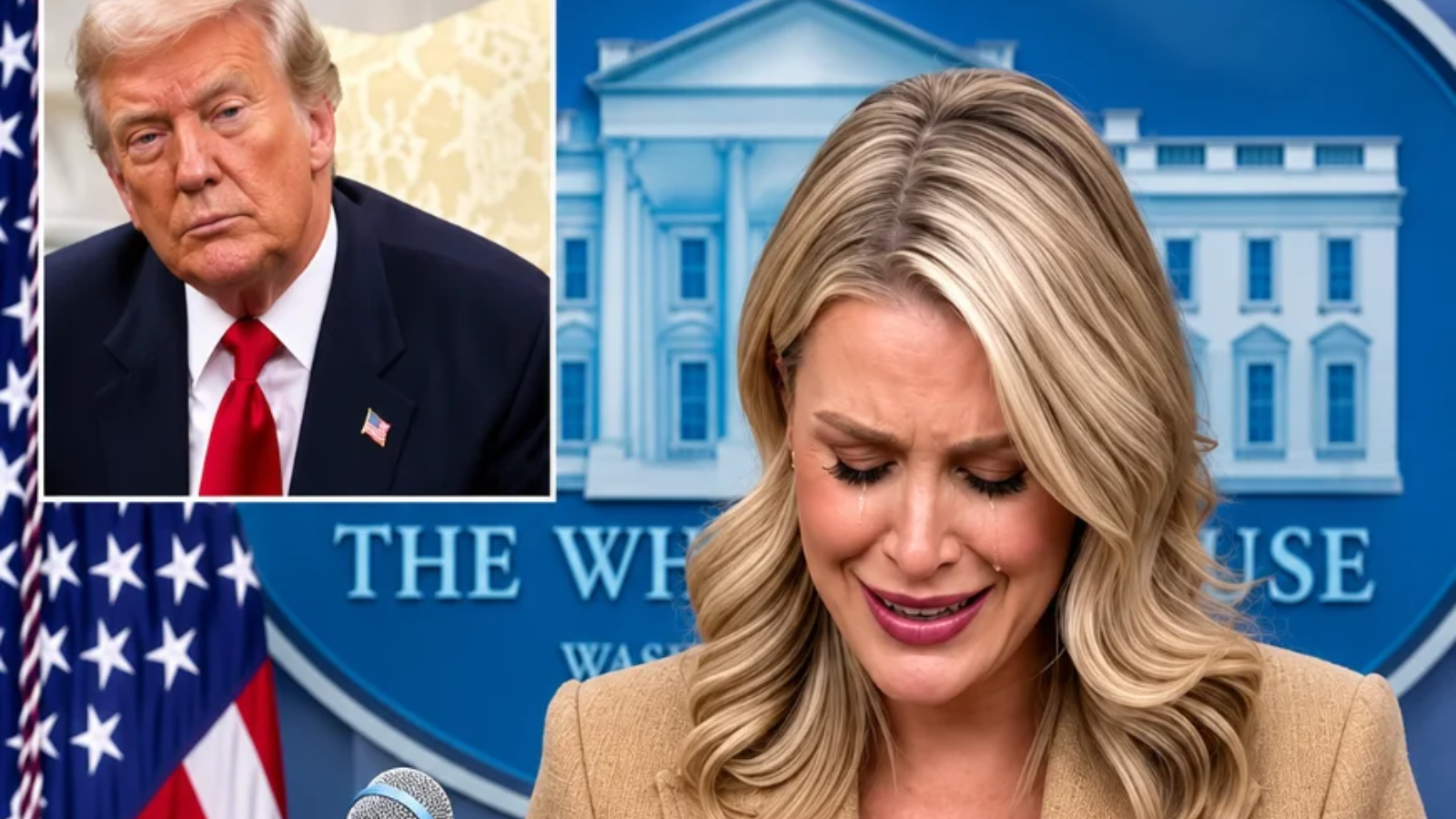
White House Press Secretary Karoline Leavitt defended President Donald Trump’s approach to media access during a public discussion, pushing back against concerns about changes to the White House press pool while drawing comparisons with former President Joe Biden’s record of press conferences and interviews.
Speaking at an event hosted by Axios co-founder Mike Allen, Leavitt argued that the administration’s approach was intended to broaden opportunities for news organizations rather than restrict journalists’ ability to cover the president. Her remarks highlighted an ongoing dispute over who determines which reporters gain access to key presidential events.
The discussion turned to the Associated Press, one of the world’s most prominent news organizations. Allen highlighted the outlet’s international reach and referenced the iconic photograph taken by AP photographer Evan Vucci showing Trump raising his fist after the July 2024 assassination attempt in Butler, Pennsylvania. He questioned whether changes to the press pool could limit journalists’ ability to document significant moments in American history.
Leavitt rejected the suggestion that the administration was restricting press access. She argued that established media organizations should not automatically receive exclusive advantages over other outlets seeking opportunities to cover the White House and travel with the president.
She pointed to the thousands of journalists and media organizations holding White House press credentials, maintaining that a broader range of publications should have opportunities to report on presidential activities. According to Leavitt, the changing media landscape requires the administration to recognize digital publishers and other news platforms alongside traditional outlets.
Debate Over Press Independence
The conversation also addressed concerns raised by the White House Correspondents’ Association, which has defended the principle that decisions about independent news coverage should not be controlled by the government.
Leavitt challenged the idea that the association’s leadership should determine which journalists receive access to the Oval Office or accompany the president aboard Air Force One. She maintained that the administration should have greater flexibility to select participating outlets and expand opportunities for different media organizations.
Supporters of the administration’s approach argue that traditional news organizations should not have a permanent advantage over smaller publishers, independent journalists, and digital media platforms. They contend that broadening participation could expose audiences to a wider range of reporting.
Critics, however, warn that allowing government officials greater influence over press-pool membership could create opportunities to reward favorable coverage or disadvantage outlets that scrutinize the administration. They argue that transparent, consistent selection standards are essential to protecting press independence and ensuring public access to information.
The central issue is not simply how many journalists receive credentials, but whether the rules governing access preserve fair competition and prevent political considerations from influencing reporting opportunities.
Biden’s Media Record Enters the Discussion
Leavitt also drew attention to comparisons between Biden’s interactions with journalists and Trump’s media appearances. Figures cited in an Axios comparison published in July indicated that Biden had participated in 164 press conferences and interviews at the point examined, compared with 468 for Trump. The comparison also listed 248 engagements for former President George W. Bush and 262 for former President Ronald Reagan.
These figures have fueled discussion about presidential transparency and the frequency with which reporters can question the nation’s chief executive. However, the numbers depend on the report’s definitions, the time periods covered, and which types of media engagements are included. They should not be interpreted as a complete measure of transparency on their own.
The frequency of presidential interviews and press conferences is one factor in evaluating public accountability. The substance of those exchanges, the willingness to answer difficult questions, and the availability of reliable information also matter.
A Continuing Debate About the White House and the Media
The exchange between Leavitt and Allen reflects a broader conflict over the relationship between the federal government and the independent press. The administration argues that changes to media access can create opportunities for a wider range of voices, while critics caution that government control over access must not undermine journalists’ ability to hold elected officials accountable.
As news consumption increasingly shifts toward digital platforms, the White House faces growing pressure to adapt its media practices. At the same time, traditional journalistic principles remain important: access decisions should be transparent, reporting should remain independent, and public officials should be subject to meaningful scrutiny.
Ultimately, the debate raises a fundamental question about presidential communication: How can the White House expand access to a diverse media environment while protecting the independence that allows journalists to question those in power?
The answer will depend not only on how many outlets receive access, but also on whether the policies governing that access remain fair, consistent, and compatible with a free press.