In today’s fast-moving digital world, even small changes involving public figures can quickly spark intense online discussion. That reality became clear again after recent speculation surrounding the health of former U.S. President Donald Trump spread rapidly across social media platforms.
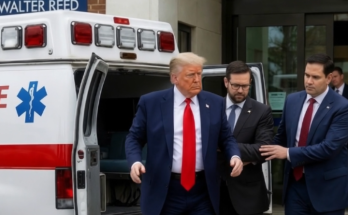
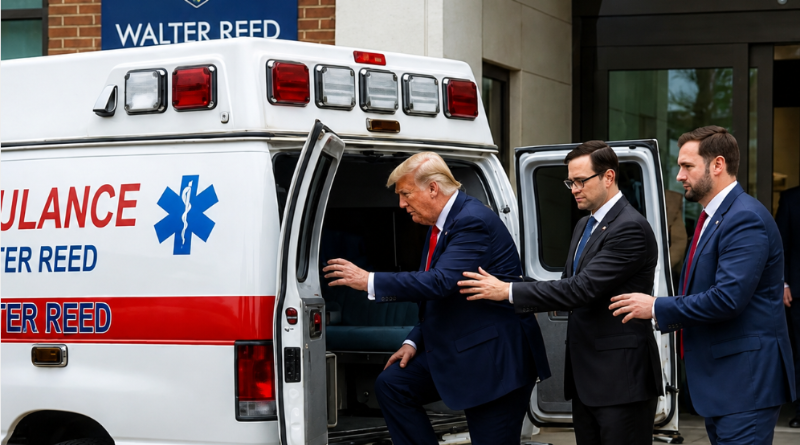
The discussion began when online users claimed Trump had reportedly been admitted to Walter Reed National Military Medical Center. Although no verified evidence supported those reports, the claims quickly gained traction on platforms such as X, Facebook, and various online forums. Within hours, thousands of users were sharing posts, reactions, and theories, demonstrating how quickly unconfirmed information can circulate in the modern media environment.
The rumors appeared to intensify after adjustments were made to Trump’s public schedule, including reports that he would not attend several planned events on April 4. Because Trump is widely known for maintaining a highly visible and active public presence, the unexpected changes immediately attracted attention and fueled speculation among supporters, critics, and political observers.
As the online discussion grew, some users began presenting the claims as established fact despite the absence of official confirmation. This created confusion and concern, highlighting how social media algorithms often amplify emotionally charged or highly engaging content regardless of its accuracy.
In response to the growing speculation, official representatives issued statements denying the hospitalization rumors. According to those statements, Trump remained at his residence and continued carrying out his regular activities. Officials also stressed that there had been no medical emergency and described many of the circulating claims as inaccurate.
The situation also renewed public interest in previous discussions regarding Trump’s health. Earlier reports had disclosed that he had been diagnosed with chronic venous insufficiency, a common circulatory condition that affects blood flow in the legs, particularly among older adults. Medical professionals generally consider the condition manageable through monitoring and standard treatment, and officials indicated there had been no recent developments connected to the online speculation.
The episode serves as a broader reminder of the challenges posed by misinformation in the digital age. When information gaps exist, speculation can spread rapidly and influence public perception before verified facts become available. Fact-checking organizations and established news outlets emphasized the importance of relying on credible sources and waiting for official confirmation before accepting dramatic claims as true.
Ultimately, no confirmed evidence has emerged to support claims that Donald Trump experienced a medical emergency or hospitalization. The incident highlights the growing importance of media literacy, responsible reporting, and careful verification in today’s fast-paced online information environment.