Recent online discussion briefly centered on the health of Donald Trump after a series of unverified claims spread across social media platforms. The episode highlights how quickly speculation can emerge in the digital age, particularly when it involves prominent public figures and incomplete information.
The situation began when users on platforms such as X (formerly Twitter), Facebook, and various online forums noticed changes to Trump’s public schedule, including the cancellation or postponement of certain appearances. In the absence of immediate explanation, some individuals began to speculate about possible health-related reasons. These early assumptions were not supported by official confirmation, but they quickly gained traction as they were shared and reshared online.
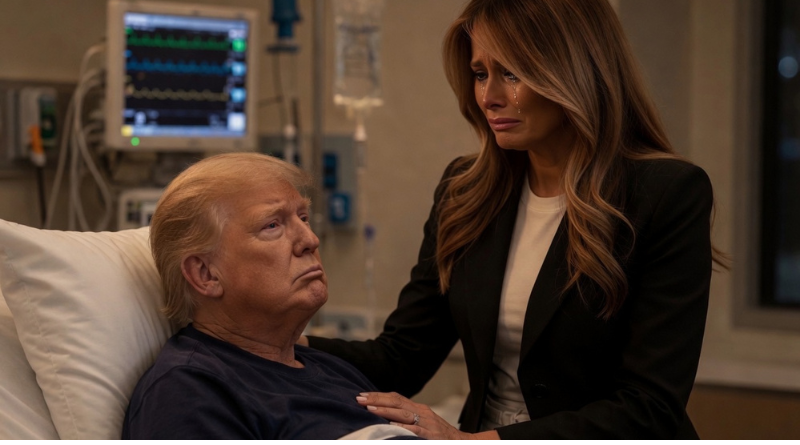
As engagement increased, more dramatic claims circulated, including suggestions that Trump had been hospitalized. Despite the lack of verified evidence, these posts spread widely due to the fast-paced nature of social media. Content that generates strong emotional reactions often receives greater visibility, allowing unverified narratives to reach large audiences before they can be corrected.
The initial uncertainty was largely driven by the combination of schedule changes and delayed clarification. While public figures often adjust their schedules for a variety of reasons, the absence of immediate context can create space for speculation. In this case, that gap allowed assumptions to develop into broader rumors.
Officials later addressed the situation directly, stating that the reports of hospitalization were inaccurate. They clarified that Trump was not experiencing any medical emergency and remained at his residence, continuing his normal activities. This statement was intended to correct misinformation and reduce further confusion among the public.
Health-related speculation about political leaders is not uncommon. Over time, Trump’s medical history has occasionally been discussed in public discourse, including a diagnosis of chronic venous insufficiency, a condition that affects blood circulation in the legs. However, there is no evidence linking this condition to the recent online rumors or suggesting any change in his current health status.
Public reaction to the situation varied. Some individuals expressed concern and sought updates, while others urged caution and emphasized the importance of verified information. Fact-checkers and established media outlets also responded by examining the claims and reinforcing the need for reliable sourcing before drawing conclusions.
Overall, the episode demonstrates how rapidly misinformation or unverified narratives can spread online, especially when they involve well-known individuals. It also underscores the role of social media dynamics in amplifying speculation and the importance of timely, transparent communication from official sources.
In the end, the situation was clarified through official statements confirming there was no medical emergency. The incident serves as a reminder of the importance of critical thinking, verification, and responsible information sharing in today’s fast-moving digital environment.