The room fell quiet the moment the words left his mouth.
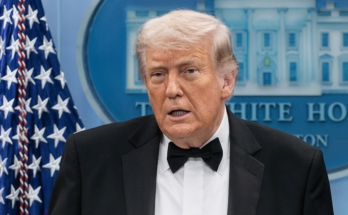
Reporters exchanged glances. Some froze in disbelief, while others immediately began recording every detail. When Donald Trump declared that the press was “going to change,” the statement resonated far beyond the walls of the room. It was not a comment about legislation, foreign policy, or economic strategy. Instead, it was directed at the journalists themselves—the people responsible for questioning leaders, investigating government actions, and informing the public.
For many observers, the remark represented more than a criticism of media coverage. It raised concerns about the relationship between political power and a free press, a relationship that has long been considered essential to the functioning of democratic societies.
An independent press serves a unique purpose. It does not exist to support a particular party, candidate, or administration. Its role is to gather facts, ask difficult questions, and provide citizens with information that allows them to make informed decisions. Democracies depend on this process because accountability becomes far more difficult when those in power can influence which stories are told and which are ignored.
The response to rhetoric aimed at the press should begin with transparency and public education. Journalists must continue explaining why independent reporting matters and how freedom of the press protects ordinary citizens. The issue is not simply about reporters or news organizations. It is about ensuring that the public has access to information that is not controlled by political leaders or government institutions.
At the same time, the media must remain committed to high standards. Accuracy, fairness, and accountability are essential for maintaining public trust. When mistakes occur, they should be corrected quickly and openly. Strong journalism is built not on perfection but on a willingness to pursue facts, acknowledge errors, and improve reporting practices.
Another important response is solidarity. News organizations often compete for audiences, exclusive stories, and influence. Yet when press freedoms are challenged, many argue that cooperation becomes more important than competition. Shared legal resources, joint investigations, and public statements defending journalistic independence can help strengthen the broader media ecosystem.
The debate is not about whether journalists should be immune from criticism. Public scrutiny of the media is a normal and healthy part of democracy. The concern arises when criticism shifts toward efforts that could limit independent reporting or discourage scrutiny of those in power.
Ultimately, a free press remains one of democracy’s most important safeguards. Its purpose is not to serve government officials but to serve the public. When questions arise about the future of press freedom, the enduring principle remains the same: citizens have a right to information, and a democratic society depends on protecting that right.