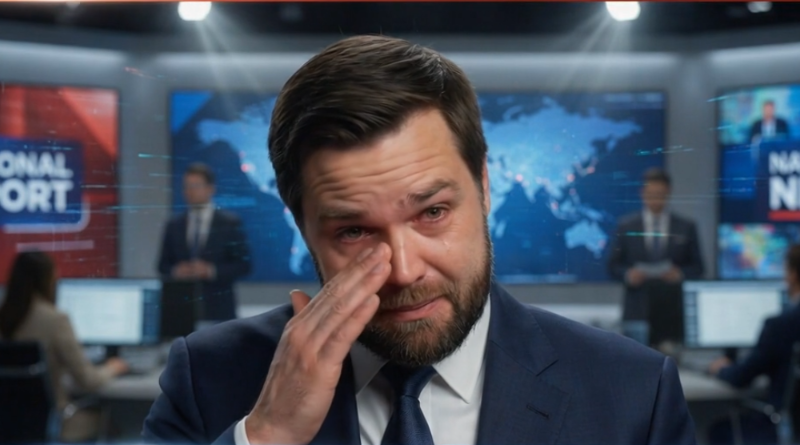
The controversy has grown far beyond a single political comment, turning into a wider discussion about how allied nations honor shared military sacrifice and speak about wartime cooperation. What may have once been dismissed as an offhand remark has instead highlighted the sensitive relationship between diplomacy, historical memory, and respect among long-time partners.
Defense analysts view the dispute as part of the lasting emotional and political legacy of the Iraq and Afghanistan wars. For nearly twenty years, coalition troops from the United States, the United Kingdom, and other allies fought together in difficult and costly operations. Because of that shared experience, even informal remarks can carry significant weight when they appear to question battlefield contributions or military sacrifices.
The criticism has focused on comments linked to U.S. Vice President J.D. Vance, which some interpreted as minimizing the role of allied forces. Veterans’ groups in Britain quickly pushed back, emphasizing that the 636 British service members killed during operations in Iraq and Afghanistan represent a major national sacrifice. Many veterans argue that those losses reflect Britain’s long-term commitment to NATO missions and coalition operations alongside American troops.
British leaders, including Prime Minister Keir Starmer, have attempted to calm tensions while firmly defending the reputation of British armed forces. Their response reflects an effort to maintain strong diplomatic ties with Washington without ignoring concerns raised by veterans and the public.
Meanwhile, opposition politicians such as James Cartlidge and James Cleverly have called for clearer acknowledgment from American officials. Veterans like former SAS soldier Andy McNab have also weighed in, describing the issue as one of mutual respect within the military community rather than simple politics.
Although analysts do not expect lasting damage to the UK-U.S. alliance, the episode demonstrates how sensitive discussions about war, sacrifice, and international partnerships remain. It also raises broader questions about how future leaders should speak about shared military history.