The constant stream of images, videos, and posts on social media can make it seem as though every development in a conflict is known instantly. However, when events unfold rapidly, the need for accurate verification becomes more important than ever. Unconfirmed reports often spread widely before reliable information is available, creating confusion and increasing the risk of misinformation.
In recent days, numerous social media posts have claimed to provide immediate updates from Tel Aviv and nearby areas. Many of these reports have relied on anonymous sources, unnamed officials, or vague references to events supposedly occurring “just now.” While such posts often gain significant attention, they do not always reflect confirmed facts. During periods of heightened tension, distinguishing verified information from speculation is essential for responsible reporting and public understanding.
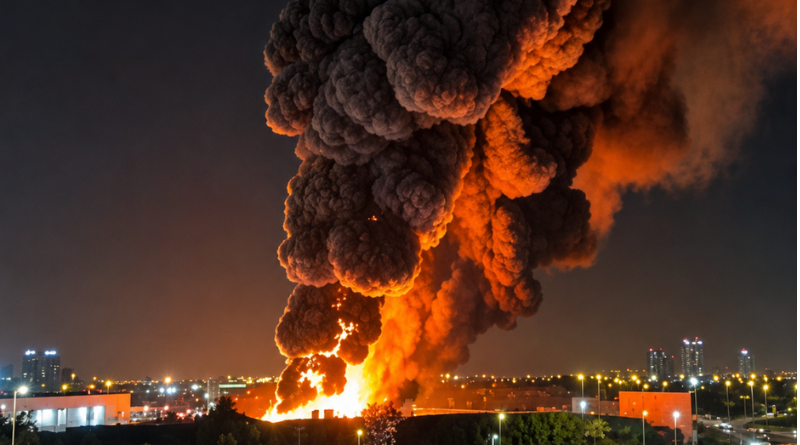
One event that has drawn particular attention is the missile strike in Beit Shemesh. According to information confirmed by multiple credible sources, the city was hit by a direct ballistic missile impact linked to Iranian launches. The attack occurred on March 1, 2026, and resulted in nine confirmed deaths as well as numerous injuries. The incident caused extensive damage and prompted large-scale emergency response efforts.
Reports indicate that several of the victims were inside public shelters when the missile struck. The tragedy highlighted both the dangers posed by ballistic missile attacks and the critical role of civil defense systems designed to protect civilians during emergencies.
Avshalom Peled, Deputy Commissioner and Jerusalem District Police Chief, later provided details regarding the sheltering procedures that were in place. He explained that these measures helped reduce the overall number of casualties despite the severity of the strike. Official inspections, follow-up investigations, and visits by Israeli authorities on March 2 further confirmed the key facts surrounding the incident.
The event serves as a reminder of the importance of relying on verified information and trusted sources during fast-moving and highly sensitive situations.