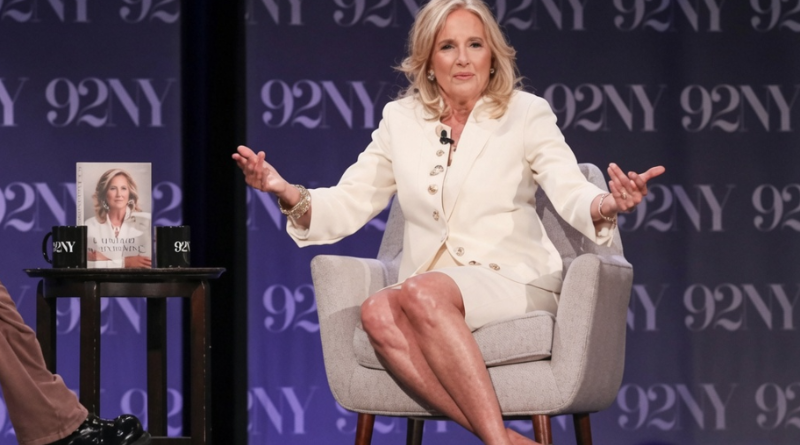
Jill Biden’s new book tour has sparked renewed debate about the final years of Joe Biden’s presidency, drawing criticism from both political opponents and some former Democratic insiders. While it is common for former presidents and first ladies to publish books after leaving public office, the timing of this release has reopened difficult conversations about the administration and the Democratic Party’s handling of concerns surrounding Joe Biden’s health.
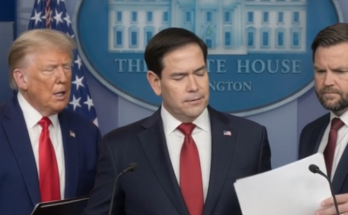
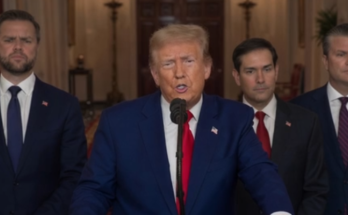
During recent interviews, Jill Biden suggested that she was not fully aware of the extent of her husband’s cognitive challenges while he was serving as president. Her comments quickly attracted attention and criticism, with many questioning how those closest to the president could have missed signs that had become the subject of public discussion. The remarks also prompted reactions from political figures, including former President Donald Trump, who used the opportunity to criticize the Bidens.
The book’s release has also revived debate over the Democratic Party’s decision to continue supporting Biden’s re-election campaign despite growing concerns about his age and performance. Critics argue that party leaders ignored warning signs, while supporters maintain that Biden remained capable of carrying out his duties during much of his presidency.
Some former administration aides reportedly reacted negatively to Jill Biden’s comments. Several expressed frustration over suggestions that staff members failed to recognize potential issues, while others defended their work and argued that the president’s active schedule gave them little reason to believe a serious health problem existed.
Tensions increased when Jill Biden publicly challenged former aide Andrew Bates, inviting him to discuss his criticisms directly. The exchange triggered additional responses from former Biden administration officials, some of whom defended Bates and questioned the value of revisiting internal disputes years later.
As the book tour continues, it has become more than a promotional effort. It has evolved into a broader discussion about leadership, transparency, political accountability, and the lasting impact of decisions made during the Biden administration.