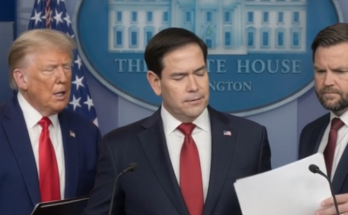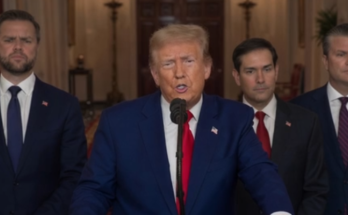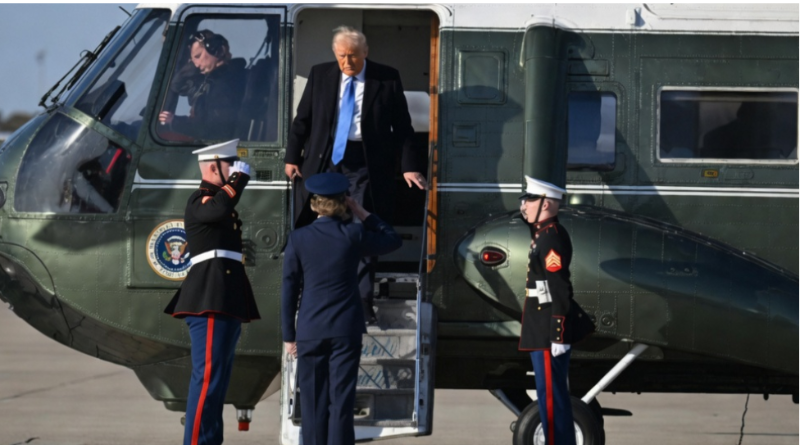
Speaking to reporters, Trump expressed confidence that progress is being made, stating that Iran is under significant pressure and eager to reach a deal. While acknowledging that the two sides have not yet finalized acceptable terms, he said he believes an agreement remains possible. Trump also reiterated his long-standing position that Iran must never be allowed to obtain a nuclear weapon, arguing that Americans understand the importance of preventing such an outcome.
At the same time, military and diplomatic developments continue to shape the situation. Former U.S. Central Command Commander Gen. Joseph Votel said reports that Iran attempted to lay mines in the Strait of Hormuz suggest the country is trying to increase pressure on Washington while preserving its options during negotiations. He praised the swift response by U.S. forces and noted that a combination of military readiness and diplomacy will likely be necessary moving forward.
The comments followed reports from CENTCOM that American forces carried out self-defense strikes in southern Iran, targeting missile launch sites and vessels allegedly involved in mining operations. Security experts have also pointed to the challenges of negotiating with Iran’s leadership, noting that communication often relies on secretive channels due to security concerns surrounding senior officials.
Meanwhile, Iran’s Tasnim News Agency reported that Tehran is seeking the release of approximately $24 billion in frozen assets as part of a potential agreement with the United States. According to the report, Iran hopes to receive a significant portion of the funds shortly after a memorandum of understanding is announced.
Financial markets reacted cautiously. Oil prices edged lower, and some analysts suggested investors are betting that tensions in the Strait of Hormuz may ease, helping stabilize energy markets and reduce concerns about future supply disruptions.