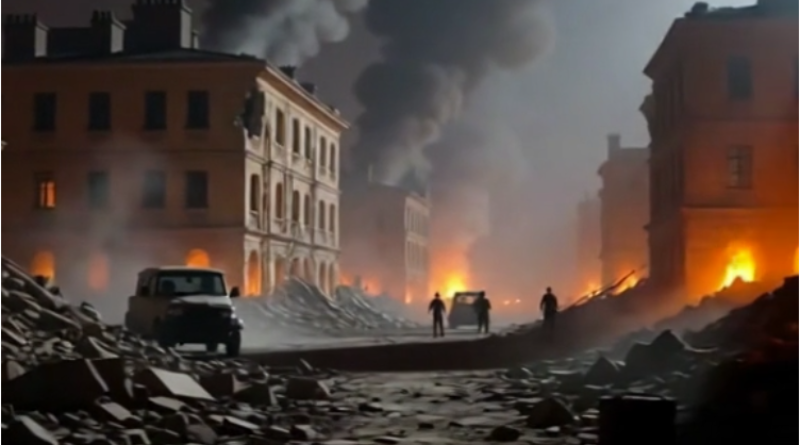
The global community plays a significant role in supporting efforts to reduce tensions and promote stability in conflict-affected regions. One of the most important contributions is sustained diplomatic engagement, which encourages open communication between involved parties even during periods of heightened escalation. When direct dialogue weakens or breaks down, external diplomatic channels can help maintain contact, reduce misunderstandings, and create opportunities for de-escalation. International mediators often work behind the scenes to encourage negotiations, propose frameworks for temporary ceasefires, and support confidence-building measures that can gradually lower the risk of further violence.
Humanitarian support is another critical pillar of international involvement. In situations where civilians are impacted by conflict, disruptions to essential services such as healthcare, electricity, clean water, and food supply can quickly escalate into broader crises. Coordinated assistance from international organizations helps ensure that aid reaches affected populations in a timely and neutral manner. This support not only addresses immediate needs but also helps prevent secondary consequences such as displacement, public health emergencies, and long-term economic hardship.
Beyond immediate relief, long-term stability often depends on development-focused initiatives. These may include strengthening governance institutions, investing in education and infrastructure, and supporting economic opportunities that reduce underlying vulnerabilities. By addressing structural challenges, the international community can help reduce conditions that often contribute to recurring cycles of conflict.
At the same time, reinforcing international legal frameworks remains essential. Upholding humanitarian law and encouraging all parties to respect civilian protection standards helps limit harm during active hostilities. Monitoring mechanisms and accountability measures can also deter violations and improve compliance with agreed norms.
Ultimately, while no single approach can resolve complex geopolitical conflicts on its own, a combination of diplomacy, humanitarian assistance, development support, and legal accountability offers the most sustainable path forward. Through coordinated international cooperation, it becomes possible to reduce immediate risks while also laying the groundwork for longer-term peace and stability.