Strait of Hormuz Incident Fuels Fears of Wider Regional Escalation
Concerns are growing across global markets after reports that commercial vessels traveling through the Strait of Hormuz were attacked amid rising tensions in the Middle East. The incident has renewed fears about the security of one of the world’s most important maritime trade routes and its potential impact on international energy supplies.
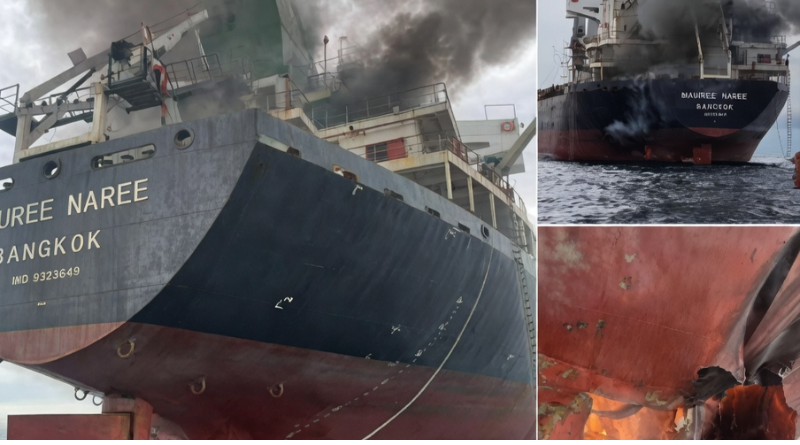
According to maritime monitoring organizations, several merchant ships operating near the strait sustained damage during the incident. A Thai-flagged bulk carrier reportedly suffered a fire in its engine room, forcing crew members to take emergency measures to contain the blaze. Two additional vessels, registered in Japan and the Marshall Islands, were also reportedly struck but experienced less severe damage. Authorities have not reported significant casualties, and investigations into the circumstances of the attack are continuing.
The reported strikes follow warnings from Iranian officials that vessels associated with the United States, Israel, or their allies could face increased risks while transiting the strategic waterway. Shipping companies have since been urged to maintain heightened vigilance and closely monitor security developments in the region.
The Strait of Hormuz is a vital global trade corridor connecting the Persian Gulf to international markets. A substantial share of the world’s oil and liquefied natural gas exports passes through the narrow passage each day. Because of its strategic importance, even limited disruptions can have far-reaching economic consequences.
Following the incident, some shipping operators reportedly delayed voyages, reduced transit speeds, or adjusted routes. Insurance companies have also reassessed risks in the area, leading to higher costs for vessels entering the Gulf region.
Energy analysts warn that any prolonged disruption could tighten global oil supplies and place upward pressure on fuel prices. Governments across Asia, Europe, and other regions that depend heavily on Gulf energy exports are closely monitoring developments.
As tensions remain high, international leaders continue to call for restraint and the protection of civilian shipping. The coming days may prove critical in determining whether the situation stabilizes or develops into a broader regional crisis.