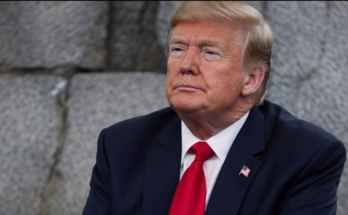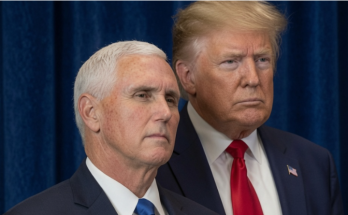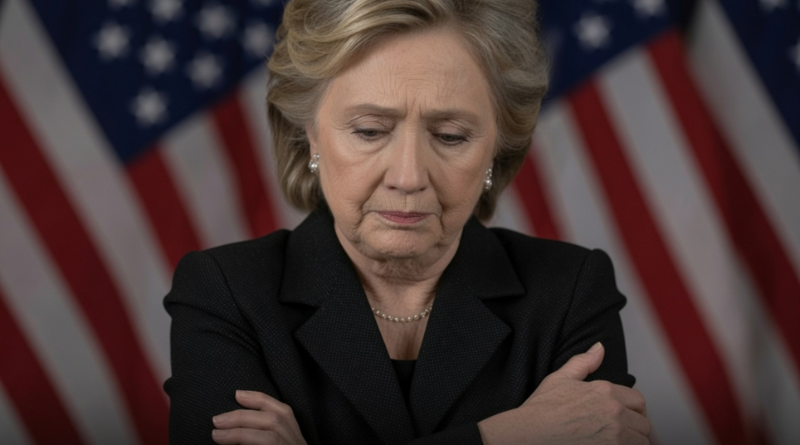
President Donald Trump has once again drawn national attention after sharing a video on his Truth Social platform that revives the long-debunked “Clinton Body Count” conspiracy theory. The video, titled “The Video Hillary Clinton Does Not Want You to See,” revisits a collection of deaths involving individuals who had varying degrees of connection to former President Bill Clinton and former Secretary of State Hillary Clinton. By amplifying the video, Trump has reignited a controversial narrative that has circulated in political circles for decades despite repeated fact-checking and official investigations.
The video references several well-known cases, including the 1993 death of White House Counsel Vince Foster, whose death was ruled a suicide after multiple independent investigations. It also mentions the 1999 plane crash that claimed the life of John F. Kennedy Jr., the 1997 fatal shooting of former White House intern Mary Mahoney during a robbery, and the death of Whitewater figure James McDougal while serving a federal prison sentence. In addition, the compilation includes the 2016 killing of Democratic National Committee staffer Seth Rich, along with the deaths of Shawn Lucas and former White House executive chef Walter Scheib.
The conspiracy theory suggests these deaths are connected to the Clintons, but investigators and law enforcement agencies have consistently found no credible evidence supporting those claims. Fact-checking organizations, including Snopes, have repeatedly examined and dismissed the allegations over the years, concluding that the incidents cited have documented explanations and no verified links to the Clintons.
Trump’s decision to share the video has generated renewed debate over the spread of misinformation on social media and the influence of conspiracy theories in modern politics. Critics argue that promoting unsupported allegations undermines public trust in verified information, while supporters contend that controversial historical events deserve continued public discussion. The episode highlights the enduring political divisions in the United States and demonstrates how disputed narratives can quickly regain prominence through online platforms and high-profile public figures.