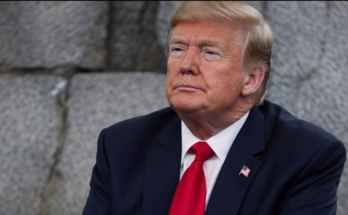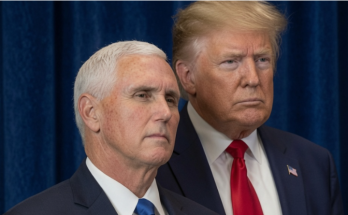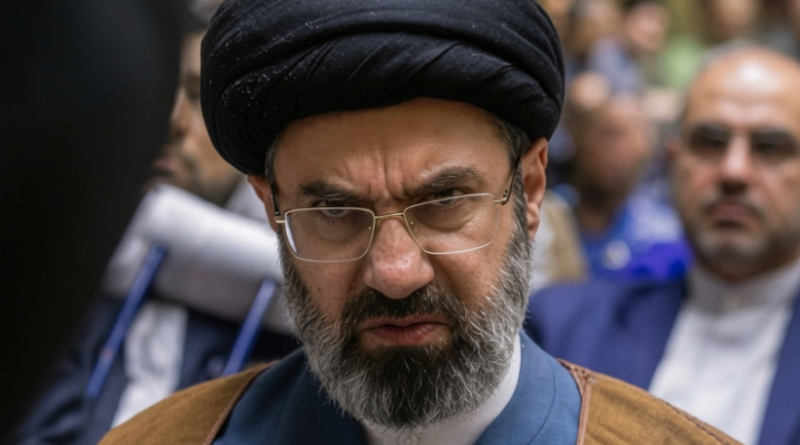
President Donald Trump and his national security team are working to finalize a potential agreement that could bring an end to the conflict with Iran. Vice President JD Vance, Secretary of State Marco Rubio, and other senior administration officials have been engaged in high-level negotiations as diplomatic talks continue alongside ongoing military tensions.
Speaking during a visit to India, Rubio emphasized the importance of restoring free navigation through the Strait of Hormuz, one of the world’s most vital shipping routes. He described the current situation as unacceptable and confirmed that negotiations were taking place in Qatar. Rubio said the administration remains hopeful that meaningful progress can be achieved, while stressing that President Trump is determined to secure a deal only if it fully serves American interests.
At the same time, U.S. Central Command announced that American forces carried out what it described as self-defense strikes in southern Iran after Iranian military activities threatened U.S. personnel and naval operations. According to military officials, the strikes targeted missile launch sites and vessels allegedly attempting to deploy naval mines near strategic waterways. American forces continue to operate under cease-fire conditions while maintaining their ability to respond to perceived threats.
Despite these military exchanges, negotiations have continued. Iranian officials acknowledged that discussions with the United States have produced agreements on several major issues, although they cautioned that a final settlement has not yet been reached. Tehran also accused Washington of changing its positions during portions of the negotiations.
According to senior administration officials, the proposed agreement would require Iran to eliminate its stockpile of highly enriched uranium and reopen the Strait of Hormuz. In exchange, the United States would lift its naval blockade if Iran fulfills its commitments. Officials say negotiations are focused on creating strict verification measures and long-term limits on Iran’s nuclear program. The administration believes the emerging framework would establish stronger safeguards and more comprehensive enforcement provisions than the 2015 nuclear agreement, while reducing the risk of future regional conflict.