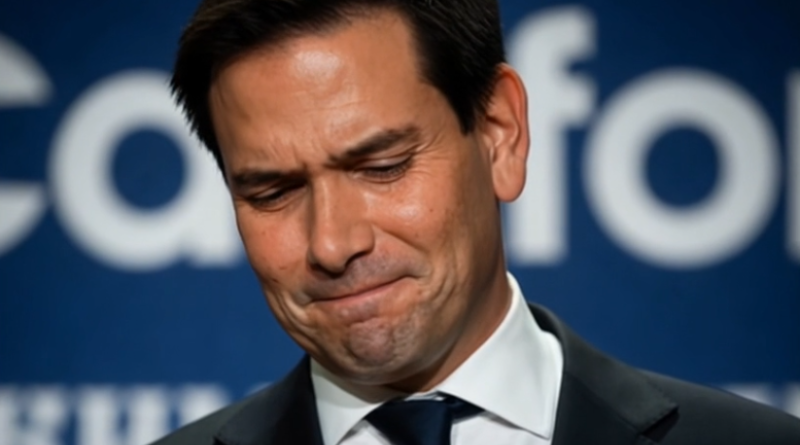
The reported shift involving Marco Rubio is more than a routine change in title or responsibility. It reflects a subtle adjustment in how influence is exercised within the federal government’s regulatory system. At the center of this development is the Office of Information and Regulatory Affairs (OIRA), a small but powerful office housed within the Office of Management and Budget.
Although OIRA does not create laws or directly oversee federal agencies, it plays an essential role in reviewing major regulations before they become final. Rules involving environmental protection, labor standards, public health, and other significant policy areas typically pass through this office. Because of this authority, OIRA can shape the outcome of regulations by requesting revisions, delaying approval, or sending proposals back for further review.
Much of this work occurs behind the scenes, making the office less visible than Congress or federal agencies. Its decisions often receive little public attention, even though they can have a significant impact on how government policies are implemented. As a result, many people remain unaware of the office’s influence over the regulatory process.
In recent years, however, interest in OIRA has grown as questions about transparency and accountability have become more prominent. Supporters argue that centralized review helps ensure regulations are consistent, carefully evaluated, and coordinated across agencies. Critics contend that concentrating so much authority in one office can reduce transparency and allow important policy decisions to be made with limited public scrutiny.
As attention turns to Rubio’s new responsibilities, observers will likely focus less on public statements and more on how the office functions under his oversight. The speed of regulatory reviews, communication with agencies, and overall decision-making process will provide the clearest indication of any meaningful changes. Ultimately, this development highlights how some of Washington’s most influential decisions occur through administrative procedures rather than highly visible political debates.