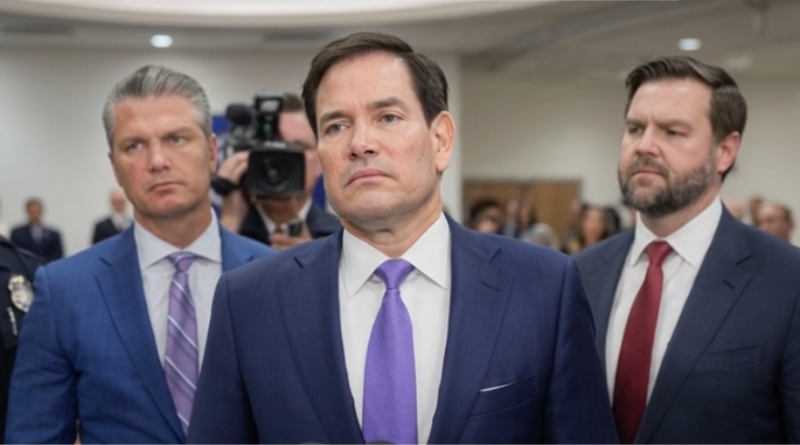
U.S. Secretary of State Marco Rubio said Friday that diplomatic efforts to reduce tensions between the United States, Israel, and Iran have shown limited progress, but he cautioned that negotiations remain fragile and far from complete.
Rubio said there has been “a little bit of movement” in the ongoing back-channel discussions but stressed that it is too early to celebrate. While encouraged by recent developments, he emphasized that Washington remains cautious and is continuing to prepare for alternative scenarios if diplomacy fails.
A major issue in the talks is Iran’s reported proposal to require commercial vessels to obtain authorization and potentially pay fees to transit the Strait of Hormuz. Rubio rejected the idea, calling it unacceptable and warning that it would undermine any chance of reaching a diplomatic agreement. He argued that the strategic waterway is vital to global trade and that any restrictions would have consequences far beyond the Middle East.
The Strait of Hormuz carries a significant share of the world’s oil exports, making it one of the most important maritime routes for international energy markets. Any disruption to shipping through the passage could increase transportation costs and create economic uncertainty worldwide.
According to the report, Pakistan continues to play a diplomatic role by facilitating communication between Washington and Tehran. Meanwhile, the European Union is considering additional sanctions targeting individuals linked to any effort to restrict navigation through the strait, arguing that such actions would violate international law.
Fox News anchor Bret Baier also said President Donald Trump expressed cautious optimism that negotiations could produce an agreement in the near future. However, reports from Iranian state media about new regulations governing maritime traffic through the Strait of Hormuz have raised fresh concerns.
Although diplomatic contacts continue, officials acknowledge that significant differences remain, and the outcome of the negotiations remains uncertain as regional tensions continue to affect stability and global energy markets.