As Democrats continue to examine Vice President Kamala Harris’s defeat to President-elect Donald Trump, disagreements have emerged over what ultimately led to the campaign’s failure. Some Harris allies have argued that President Joe Biden’s decision to remain in the race until late in the election cycle left the vice president with limited time to establish a clear national campaign and connect with voters. However, several former campaign staffers have pushed back strongly against that explanation, calling it an inaccurate assessment of what happened.
According to those former aides, attributing the loss primarily to Biden’s timing ignores deeper political and strategic challenges that existed throughout the campaign. They argue that the election outcome reflected broader concerns among voters and cannot be explained by a single factor.
Adding to the debate, former San Francisco Mayor Willie Brown offered sharp criticism of the Harris campaign’s approach. Brown, who was briefly involved in a personal relationship with Harris during the 1990s, said campaign leaders misread the political environment and failed to recognize warning signs that were visible throughout the race.
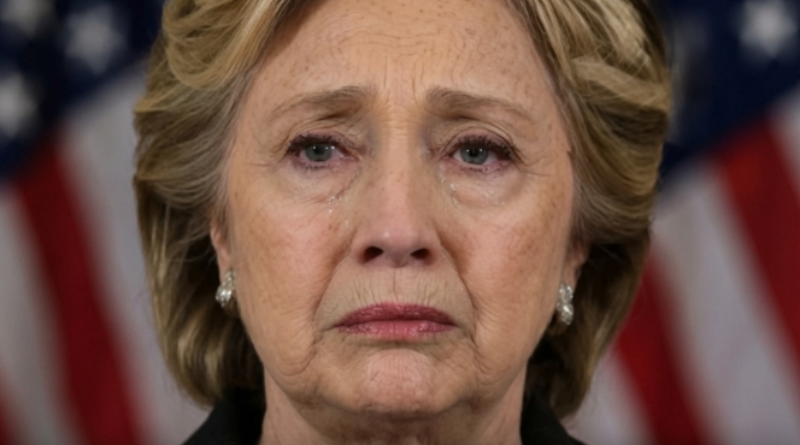
“Not one of them got it right,” Brown said, arguing that campaign strategists should have more carefully evaluated past Democratic presidential defeats. He specifically pointed to the experience of Hillary Clinton, whose loss in the 2016 election raised questions about the challenges facing female presidential candidates in the United States.
Brown suggested that Democratic operatives should have openly discussed whether lingering cultural and political barriers remained significant factors in national elections. In his view, failing to confront those realities may have contributed to strategic miscalculations during the campaign.
The comments have fueled an ongoing conversation within Democratic circles about the reasons behind Harris’s loss. As party leaders, strategists, and supporters search for answers, the debate continues over whether campaign decisions, voter sentiment, broader political trends, or structural challenges played the largest role in shaping the election’s outcome. The discussion is likely to remain a major topic as Democrats prepare for future national contests.