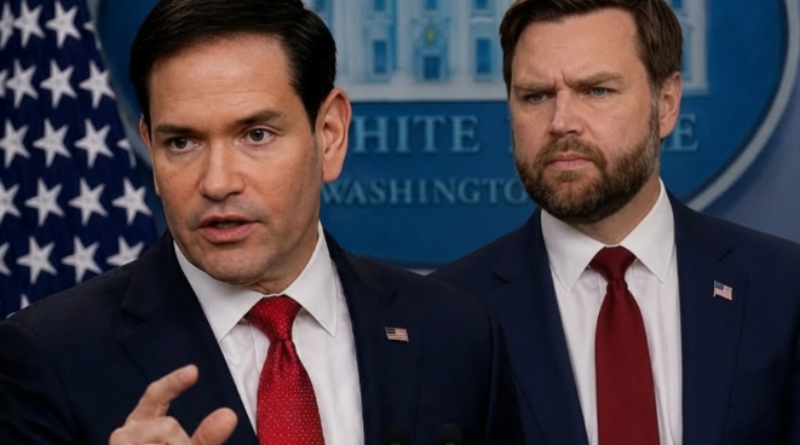
Secretary of State Marco Rubio has taken decisive action following allegations that a U.S. Foreign Service officer failed to disclose a personal relationship involving a foreign national with potential ties to the Chinese Communist Party. The case has sparked renewed discussion about national security safeguards and the importance of transparency among government officials.
The officer, identified as Daniel Choi, was reportedly dismissed after an internal review examined claims that he concealed a romantic relationship with a Chinese citizen. The review followed the release of undercover footage by O’Keefe Media Group, in which Choi allegedly acknowledged that his girlfriend’s father had connections to the Chinese Communist Party and admitted that he did not report the relationship to State Department security officials as required.
In the recorded conversation, Choi reportedly said he had chosen to keep the relationship private because of personal feelings, even while recognizing that the connection could have created a security concern. Officials said foreign service employees are obligated to disclose certain close relationships with foreign nationals to allow proper security assessments.
The State Department stated that the dismissal was carried out under authority provided by Executive Order 14211, which established additional accountability measures for government personnel responsible for carrying out U.S. foreign policy. The department emphasized that employees must follow security procedures and maintain the trust required for diplomatic positions.
The incident highlights broader concerns among U.S. officials about potential foreign influence operations. Counterintelligence experts have warned for years that foreign governments may attempt to gain access to sensitive information through personal relationships, financial pressure, or professional networks.
Rubio has emphasized strengthening security reviews and accountability within the State Department, particularly regarding threats linked to foreign influence. Officials say protecting classified information and ensuring that diplomatic personnel meet disclosure requirements remain critical priorities.
The case involving Choi is expected to fuel further debate over how the U.S. government manages insider risks and protects national security within its diplomatic institutions.