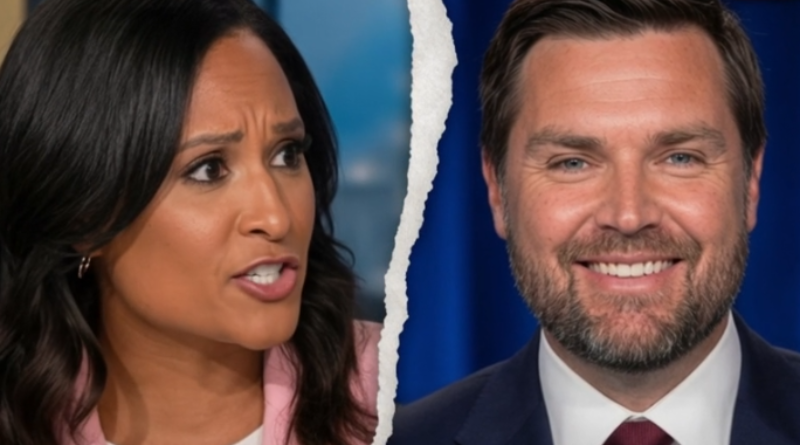
Vice President JD Vance offered new details Thursday about the recently signed U.S.-Iran Memorandum of Understanding during a White House press briefing following President Donald Trump’s announcement of the agreement.
When asked whether Iran’s leadership fully understands the economic and military leverage the United States holds, Vance said he believes Iranian officials are well aware of America’s position of strength. He pointed to recent diplomatic discussions and Iran’s recent actions as evidence that the country recognizes the pressure it faces.
However, Vance acknowledged that whether Iran will make lasting changes remains uncertain.
“I don’t know,” he said when asked if the agreement would ultimately alter Iran’s long-term behavior. Still, he argued that the current situation presents an opportunity worth pursuing. According to Vance, Iran has been placed in a significantly weaker position, making this an ideal time to test whether its leadership is willing to pursue a different path.
Addressing critics who doubt Iran’s intentions, Vance said that if Tehran refuses to change, it simply will not receive the benefits outlined in the agreement. He maintained that the United States would lose nothing by giving diplomacy a chance under these conditions.
The vice president also compared the new agreement with the 2015 Joint Comprehensive Plan of Action (JCPOA), commonly known as the Obama-era nuclear deal. He argued that many Gulf Arab nations opposed that agreement because they believed it strengthened Iran’s influence throughout the Middle East.
According to Vance, those same regional partners now view President Trump’s agreement much more favorably. He said they believe the new approach weakens Iran while creating incentives for better behavior without sacrificing American leverage.
Vance concluded by saying the administration views the agreement as beneficial regardless of Iran’s response. If Iran changes course, he said, the region and the world could experience greater stability and economic opportunity. If it does not, he argued, the United States will have preserved its strategic advantages while maintaining pressure on the Iranian government.