A federal judge has dismissed journalist Michael Wolff’s lawsuit against First Lady Melania Trump, ruling that his legal strategy was an improper attempt to prevent a potential defamation lawsuit before it was even filed.
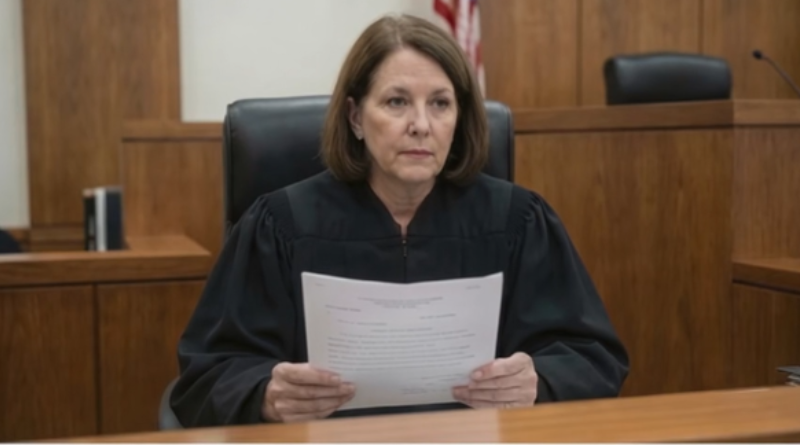
U.S. District Judge Mary Kay Vyskocil, who was appointed by President Donald Trump, rejected Wolff’s case, describing it as a “contorted” legal maneuver and stating that it was “not how federal courts work.” She criticized the lawsuit as an example of “tactical gamesmanship,” saying the court would not be used to referee what she called an “abusively presented spat,” even though she acknowledged that the two sides have a genuine legal dispute.
The conflict began after Melania Trump’s attorney, Alejandro Brito, sent Wolff a legal demand letter last year. The letter accused the journalist of making false and defamatory statements about the first lady’s alleged connection to convicted sex offender Jeffrey Epstein and warned that she would pursue legal action unless the statements were withdrawn.
Rather than wait for a lawsuit, Wolff filed his own case in state court in October, seeking to block Melania Trump from suing him. The matter was later transferred to federal court, where Judge Vyskocil determined that although the court technically had jurisdiction, it should not hear the case. She dismissed it, allowing the dispute to proceed through the normal legal process if either party chooses to continue.
Following the ruling, a spokesperson for the first lady welcomed the decision, saying Melania Trump remains committed to defending herself against what were described as “malicious and defamatory falsehoods” spread by individuals seeking publicity or financial gain. Her legal team has argued that Wolff’s comments caused significant damage to her reputation and finances.
Melania Trump has consistently denied any association with Jeffrey Epstein, who died in federal custody in 2019 while awaiting trial on child sex trafficking charges. During an April press conference, she strongly rejected claims linking her to Epstein, calling them baseless attacks intended to damage her reputation. She accused those making the allegations of lacking integrity and respect.
Wolff, however, argued that his comments were either taken out of context or protected under the First Amendment as opinion. His lawsuit maintained that he never accused Melania Trump of criminal involvement with Epstein. It also defended his past description of the Trumps’ relationship as a “sham marriage” and “trophy marriage,” characterizing those remarks as protected opinion rather than factual allegations.
The dispute gained additional attention after The Daily Beast retracted an article based on Wolff’s interview discussing Melania Trump and Epstein. Meanwhile, several members of Congress from both parties have echoed the first lady’s call for greater transparency and public hearings for Epstein’s victims, keeping the broader issue in the national spotlight.