Bill Clinton Urges Americans to Defend Democracy Amid Deep Political Divisions
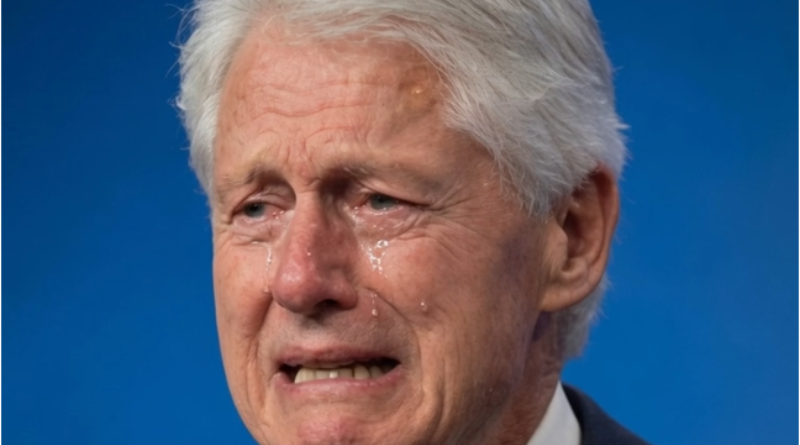
Former President Bill Clinton delivered a sobering message to Americans in early March 2026, warning that the nation’s growing political divisions pose a serious challenge to its democratic future. Rather than reflecting on his years in the White House, Clinton focused on the current state of the country, describing a society weighed down by distrust, anger, and exhaustion.
Speaking to an audience that responded with both applause and quiet reflection, Clinton acknowledged that political disagreements have grown far beyond ordinary debate. Families have become divided over politics, friendships have been strained, and many Americans have lost confidence in institutions they once trusted. Despite these concerns, he insisted that the nation’s future is not predetermined and that citizens still have the power to strengthen democracy through their everyday actions.
Clinton emphasized that one of the greatest threats facing the country is the belief that democracy can function without active public participation. He argued that preserving democratic institutions requires more than voting every few years. Americans, he said, should stay involved in their local communities, participate in civic discussions, and approach political disagreements with facts and respect rather than hostility.
Throughout his remarks, Clinton avoided placing blame on any single political party or individual. Instead, he focused on the broader consequences of treating fellow Americans as permanent adversaries. He warned that when fear and distrust replace dialogue and compromise, the nation’s democratic foundations become increasingly fragile.
Although the speech carried a serious tone, Clinton also highlighted reasons for optimism. He pointed to examples of communities coming together during natural disasters, neighbors helping one another in difficult times, and local organizations working across political differences to solve practical problems. These moments, he suggested, demonstrate that cooperation remains possible despite the country’s divisions.
Clinton encouraged Americans to begin rebuilding trust through small but meaningful actions. He urged people to engage respectfully with those who hold different views, verify information before sharing it online, support local community organizations, participate in every election, and hold public institutions accountable while continuing to value their role in democratic society.
Reactions to the speech reflected the nation’s political landscape. Some praised Clinton’s call for unity and civic responsibility, while others criticized the address for not confronting specific political figures or policies more directly. Nevertheless, many observers agreed that his message centered on encouraging Americans to take personal responsibility for the health of the nation’s democracy.
Clinton concluded by reminding listeners that democracy depends not only on elected leaders but also on ordinary citizens willing to stay informed, participate in public life, and work together despite their differences. His message was ultimately one of cautious hope, emphasizing that the country’s future will be shaped by the choices Americans make together.