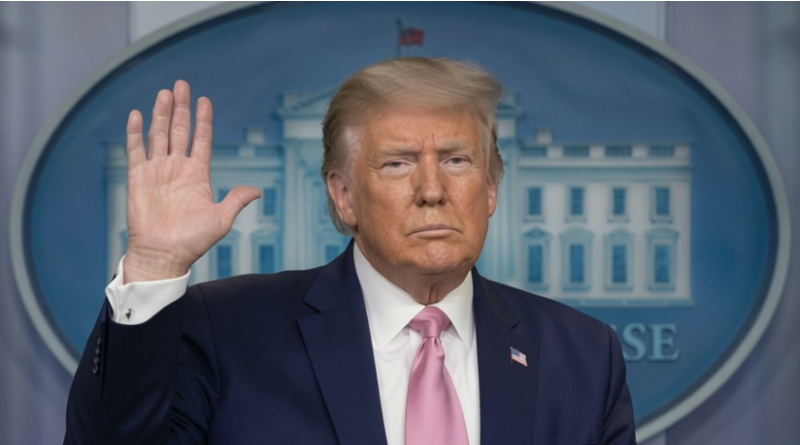
Washington, D.C. — A stepped-up federal law enforcement presence in the nation’s capital, ordered by President Donald Trump, is drawing both praise for improving public safety and sharp criticism over potential threats to local control and community trust.
Administration officials describe the operation as a necessary response to persistent violent crime concerns. Federal agencies have expanded patrols, strengthened coordination, and intensified enforcement efforts in targeted neighborhoods. Some residents say they are already noticing a difference, reporting fewer incidents and a greater sense of security on the streets.
Supporters argue the initiative fills a long-standing gap left by local authorities and demonstrates a clear commitment to restoring order in the District.
However, community advocates, civil rights groups, and some D.C. residents are raising alarms. They worry that heightened federal enforcement could erode trust, particularly in immigrant communities, and create anxiety over aggressive policing tactics. Questions also linger about transparency, accountability, and how federal operations are being coordinated with local Metropolitan Police.
The controversy has renewed focus on Washington, D.C.’s unique governance structure. Although the city has an elected mayor and council, Congress holds ultimate constitutional authority over the District. Legal experts note that tensions between federal oversight and “home rule” have surfaced repeatedly in debates over public safety, budgeting, and local autonomy.
As operations continue, officials are monitoring crime statistics closely while advocacy groups track impacts on residents. The discussion now extends beyond numbers to deeper questions: how to effectively combat crime while safeguarding civil liberties, community confidence, and the balance between federal power and local governance