House Passes Bill Aimed at Preventing Fraudulent Federal Payments
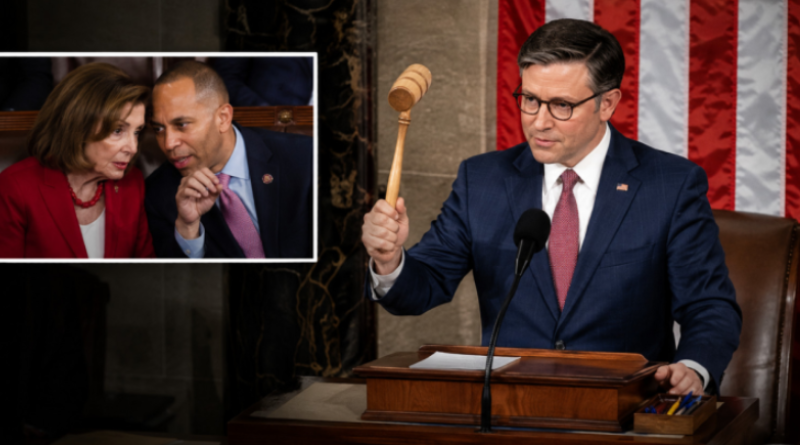
The Republican-controlled U.S. House of Representatives has passed the Stopping Fraudulent Payments Act by a vote of 218-200, sending the measure to the Senate for consideration.
The legislation, introduced by House Oversight Committee Chairman James Comer (R-Ky.), seeks to reduce improper federal payments by allowing agencies to delay or review payments that show signs of potential fraud before funds are distributed.
Current federal procedures generally focus on recovering improper payments after they have already been made. Supporters of the bill argue that a stronger emphasis on prevention could reduce losses and improve oversight of taxpayer-funded programs.
Under the proposal, federal agencies would be authorized to pause, condition, or divide payments identified as having an elevated risk of fraud or improper payment. The legislation would also give the U.S. Treasury Department authority to return certain payment requests to agencies for additional review using existing fraud-detection tools, including the Do Not Pay database.
Speaking on the House floor, Chairman Comer said the legislation is intended to strengthen safeguards against fraudulent payments before federal funds are disbursed.
According to the Government Accountability Office (GAO), the federal government reported approximately $186 billion in improper payments during fiscal year 2025, an increase from the previous year. The GAO has also estimated that cumulative improper payments across federal programs have reached trillions of dollars over the past two decades.
Supporters of the bill, including House Budget Committee Chairman Jodey Arrington (R-Texas) and Rep. Pat Fallon (R-Texas), said the measure would improve accountability and help protect taxpayer funds across federal programs.
Democratic lawmakers largely opposed the legislation, voting against it by a wide margin. While opponents have expressed support for combating fraud, critics of the bill have raised concerns that additional payment reviews could delay benefits or create administrative burdens for eligible recipients. They have argued that fraud prevention efforts should be balanced with timely access to government services.
The legislation is one of several oversight-related bills advanced by the House Oversight Committee that focus on reducing improper payments and strengthening accountability across federal agencies.
The Stopping Fraudulent Payments Act now moves to the Senate, where its future will depend on whether it receives sufficient support for passage before it can be sent to the president for consideration.