Federal Role Expands in D.C. Law Enforcement Following Trump Executive Actions
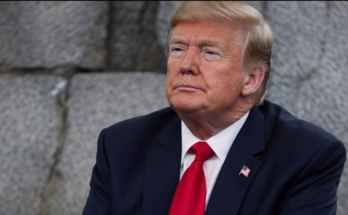
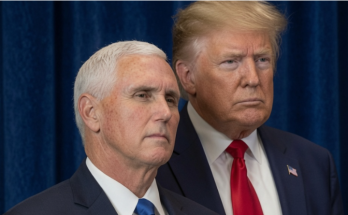
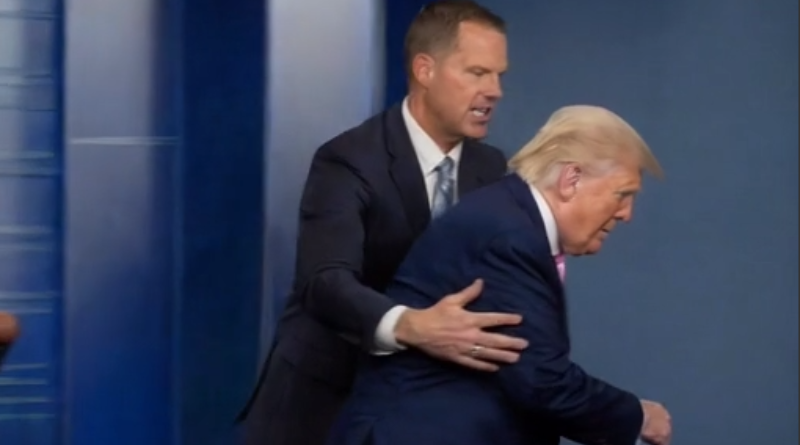
Following executive actions by President Donald Trump, the federal government has significantly expanded its direct involvement in law enforcement across Washington, D.C. Joint task forces, armored vehicles, and ICE operational vans have been deployed in multiple neighborhoods as part of intensified policing efforts in the nation’s capital.
Authorities report a rapid decline in crime statistics in the weeks since the enhanced presence began, pointing to reductions in violent incidents and improved public order in areas that have long faced safety challenges. Many residents in higher-crime districts describe a tangible sense of relief, saying they can now walk streets or visit local parks with less fear than before. Supporters frame the operation as a needed response to years of ineffective local governance and persistent disorder.
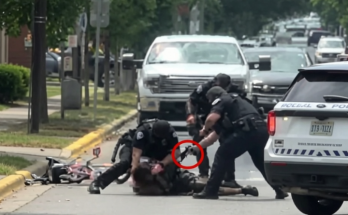
The heightened federal footprint has also brought social costs. In diverse neighborhoods, the visible presence of federal agents near schools, corner stores, and community centers has created anxiety for some families, who report limiting outdoor activities and adjusting daily routines to avoid potential encounters. Local D.C. police officers have cited operational challenges, including confusion over chains of command and questions of authority during emergency responses.
The expanded federal role in the District—home to the seat of American democracy and subject to unique congressional oversight without full statehood—has become a flashpoint in debates over public safety versus local autonomy and civil liberties. Proponents stress the importance of the rule of law and protection for residents. Critics argue that security gains achieved through pervasive enforcement risk eroding community trust.
Officials have not released detailed timelines for the operation’s duration or clear long-term success metrics. Residents and policymakers continue to watch how the approach shapes conditions in the capital and influences national discussions on crime, immigration enforcement, and the balance of federal and local authority.