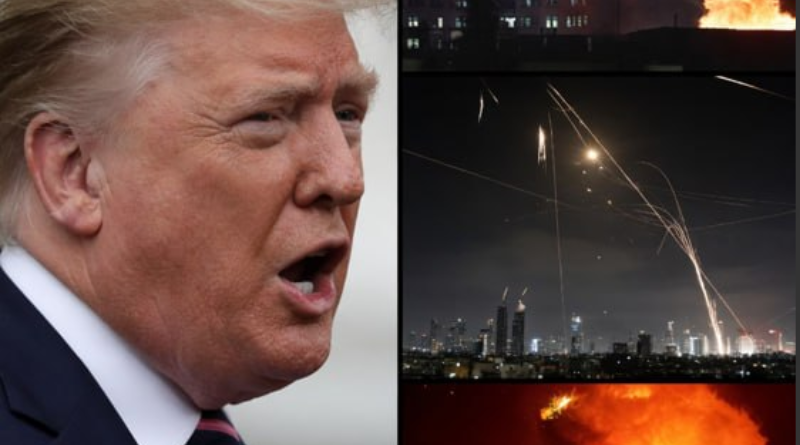
Rising tensions across the Middle East have placed Israel under an intensified state of security preparedness, with officials confirming expanded defensive measures and increased military readiness in response to evolving regional concerns. Authorities say the actions are precautionary and aimed at protecting civilians while maintaining national stability during a period of uncertainty.
According to Israeli officials, several layers of national defense have been strengthened in recent days. Security agencies are reportedly operating with heightened coordination, while surveillance operations and intelligence monitoring have been expanded. Air defense systems have also been placed on elevated alert, and emergency response teams are preparing for a range of possible scenarios. Civil defense authorities in major population centers have encouraged residents to stay informed through official communication channels and to follow any emergency instructions if conditions change.
The latest developments are being viewed within the broader context of the Middle East’s long-standing geopolitical instability. Israel has historically faced security challenges connected to regional rivalries, territorial disputes, and armed conflicts involving both governments and non-state groups. Analysts note that modern regional crises are often complicated by overlapping political interests and rapidly changing alliances, making it difficult to immediately assess responsibility or predict how events may unfold.
Security experts also emphasize that tensions in the region rarely remain isolated. A single incident can quickly influence neighboring countries, international diplomacy, global markets, and humanitarian conditions. Because of this, governments around the world are closely monitoring the situation while urging restraint from all sides.
Israeli leaders have stated that their strategy combines strong defensive preparedness with ongoing diplomatic engagement. Officials continue to maintain communication with international partners in an effort to reduce misunderstandings and prevent wider escalation. Diplomatic channels are seen as particularly important during periods of uncertainty, when miscalculations can increase regional instability.
International organizations, including the United Nations, have historically called for dialogue and cooperation during times of heightened conflict risk. World leaders frequently stress the importance of protecting civilians, preserving regional stability, and supporting humanitarian efforts where needed.
Beyond military and political considerations, ordinary citizens remain deeply affected by periods of tension. Families living in areas vulnerable to conflict often face disruption, fear, and uncertainty about what may happen next. Humanitarian organizations continue to emphasize the importance of reliable information, emergency preparedness, and civilian protection.
As events continue to develop, analysts and policymakers will closely watch diplomatic negotiations, security responses, and regional reactions. While the situation remains serious, many observers believe that continued international cooperation and sustained diplomatic efforts remain essential for reducing tensions and supporting long-term stability in the region.