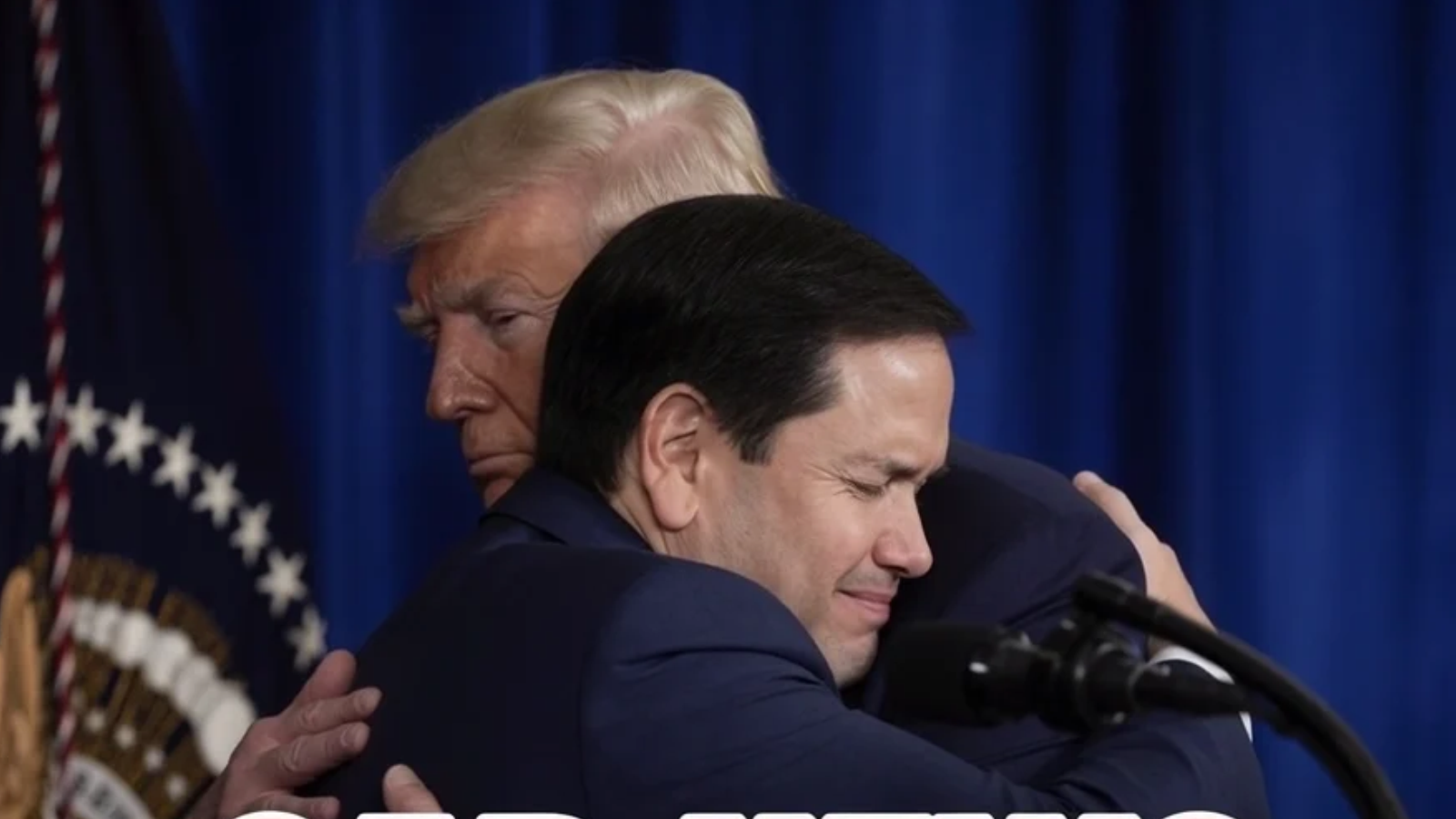
Marco Rubio’s Regulatory Oversight Role Draws Attention to Federal Rulemaking
The reported appointment of Marco Rubio to a regulatory oversight position has renewed attention on an office that operates largely behind the scenes but can significantly influence how federal regulations are developed and implemented.
Although the office does not write legislation or directly manage federal agencies, its review process can affect the timing and substance of proposed regulations. Its authority over rulemaking makes it an important part of the federal policymaking process.
How the Office Influences Policy
Regulatory oversight involves reviewing proposed rules developed by federal agencies, including regulations affecting the environment, labor, public health, and other areas of government policy. The review process is intended to assess regulatory costs, evaluate potential consequences, and promote coordination across agencies.
Depending on the applicable procedures, officials may request additional analysis, recommend revisions, or delay a proposal while outstanding issues are addressed. These reviews can add time to the rulemaking process, particularly when agencies must provide further information or reconsider aspects of a proposal.
The process has also attracted debate over transparency and accountability. Critics argue that decisions made through internal reviews can be difficult for the public to scrutinize, especially when explanations and timelines are limited. They contend that extended reviews may influence policy outcomes without the same level of public attention given to formal legislation or published regulations.
Supporters, meanwhile, argue that centralized oversight can help identify unnecessary regulatory burdens, reduce duplication, and promote consistency across federal agencies. They view the process as a mechanism for ensuring that proposed rules receive careful review before taking effect.
What Comes Next
If Rubio assumes or continues in this role, attention is likely to focus on how the office handles review deadlines, communicates with federal agencies, and approaches proposals involving significant economic, environmental, or public health implications.
His responsibilities and decisions would need to be assessed through official appointment records, documented policy actions, and the office’s established legal authority.
Ultimately, the broader debate concerns how the federal government balances regulatory efficiency with transparency, public participation, and accountability. The office’s review procedures can influence the implementation of federal policy, making its operations an important subject for continued public scrutiny.