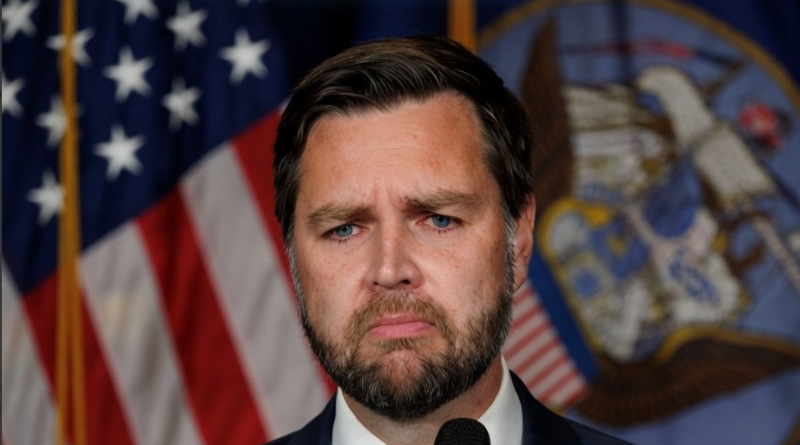
The United States and Iran have reached a delicate diplomatic agreement after days of escalating tensions, resulting in what officials describe as a “fragile truce.” Vice President J.D. Vance said the administration remained firm during negotiations and warned that Iran’s interference in the Strait of Hormuz threatened global economic stability. He stated that President Donald Trump was prepared to use both military and economic pressure if Tehran refused to change course.
The crisis began after U.S.-Israeli strikes in February 2026, which led Iran to restrict traffic through the Strait of Hormuz, a key route for global oil shipments. The blockade caused a dramatic drop in maritime traffic and severe instability in energy markets worldwide. Tensions intensified further when Iran reportedly shot down two American aircraft, although all crew members were rescued safely.
The new two-week ceasefire allows limited shipping access through the strait, but controversy remains over a provision permitting Iran and Oman to collect transit fees. While officials hope the agreement could reduce regional tensions, uncertainty remains over whether the temporary truce can survive growing political divisions and ongoing conflicts across the Middle East.