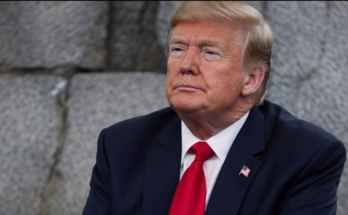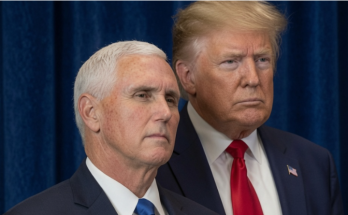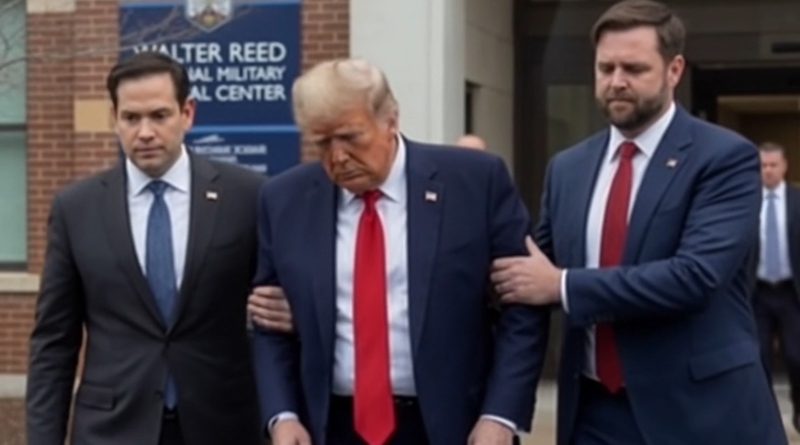
Rumors spread rapidly across social media after claims emerged that President Donald Trump had been rushed to Walter Reed National Military Medical Center, prompting widespread concern about his health. The speculation gained momentum within hours, with thousands of users sharing unverified reports and theories before any official explanation was released. As the story circulated, many questioned whether a serious medical issue was being kept from the public.
The speculation began after the White House announced that Trump would not attend any public events for the remainder of Saturday, April 4. Although schedule changes are common for presidents, the unexpected announcement attracted attention because Trump is known for maintaining a highly visible public schedule. His absence quickly became the focus of online discussion, leading some users to assume that an undisclosed medical emergency had occurred.
As the rumors intensified, the White House moved to address the situation directly. Officials firmly denied reports that Trump had been admitted to Walter Reed, calling the claims false and without factual basis. They stated that the president had not experienced a medical emergency and remained actively engaged in carrying out his official responsibilities throughout the day.
Public interest in Trump’s health has remained high since the White House disclosed in 2025 that he has chronic venous insufficiency, a condition that affects blood flow in the veins of the legs. Medical experts have explained that the condition is relatively common among older adults and is generally manageable with appropriate treatment. According to administration officials, it has not affected Trump’s ability to perform the duties of the presidency.
Previous medical visits have also contributed to ongoing public attention. Trump has visited Walter Reed for routine evaluations in the past and has publicly stated that medical testing produced positive results. Images showing minor bruising on the back of his hand also generated speculation online, though the White House attributed the marks to frequent handshaking and routine public appearances.
The episode demonstrates how quickly misinformation can spread when official information is limited. In today’s digital environment, incomplete details often allow rumors to grow before verified facts become widely available. Even routine schedule changes can trigger widespread speculation, particularly when they involve a high-profile political leader.
Ultimately, there was no evidence supporting claims that Trump had been rushed to Walter Reed. The White House categorically rejected the reports and maintained that the president continued performing his duties as scheduled. The incident serves as a reminder of the importance of relying on credible, verified information rather than unconfirmed claims circulating on social media.