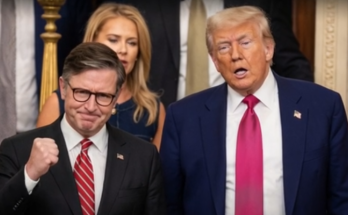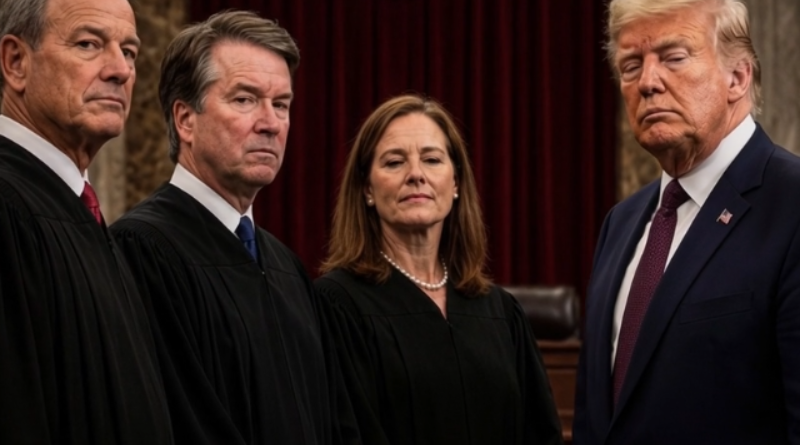
President Donald Trump celebrated a major Supreme Court decision that allows states to restrict participation in girls’ and women’s sports based on biological sex, calling the ruling a significant victory.
In a 6-3 decision issued on June 30, 2026, the Supreme Court upheld laws in Idaho and West Virginia that reserve female athletic teams for biological females. Writing for the majority, Justice Brett Kavanaugh concluded that Title IX and the Equal Protection Clause permit states to establish eligibility for women’s sports based on biological sex. The Court emphasized that biological differences between males and females—including strength, speed, endurance, and physical size—can affect both competitive fairness and athlete safety.
Following the ruling, Trump praised the decision on Truth Social, writing that it was a “BIG WIN” and declaring that the issue of transgender athletes competing in women’s sports had been resolved in favor of protecting female athletics.
The lawsuits were brought by transgender athletes in Idaho and West Virginia who argued that the state laws violated federal protections under Title IX and the Constitution. The Supreme Court disagreed, finding that the states’ policies are legally permissible. Justice Sonia Sotomayor filed an opinion concurring in part and dissenting in part, joined by Justices Elena Kagan and Ketanji Brown Jackson on key constitutional issues.
The decision follows President Trump’s February 2025 executive order, “No Men in Women’s Sports,” which directed federal agencies to enforce Title IX based on biological sex. That order prompted legal disputes with several states, including Maine, over compliance and federal education funding.
Education Secretary Linda McMahon welcomed the ruling, describing it as a victory for women’s rights and the original purpose of Title IX. She said the decision protects fairness in female athletics and reinforces equal educational opportunities for women and girls.
The ruling is expected to strengthen similar laws already enacted in more than half of U.S. states, while states with policies allowing transgender athletes to compete according to their gender identity may continue to face legal and political debate.